From Blog Posts to a Book on Amazon
How I Wrote and Self-Published The Freest Being in the Universe
After a long stretch of evenings and weekends, my book The Freest Being in the Universe is live on Amazon, as a Kindle eBook and a paperback. It is a book-length love letter to Steve Englehart's cosmic run on the Silver Surfer. Here is what it is, why I wrote it, and everything I learned taking it through Amazon Kindle Direct Publishing.
July 2026
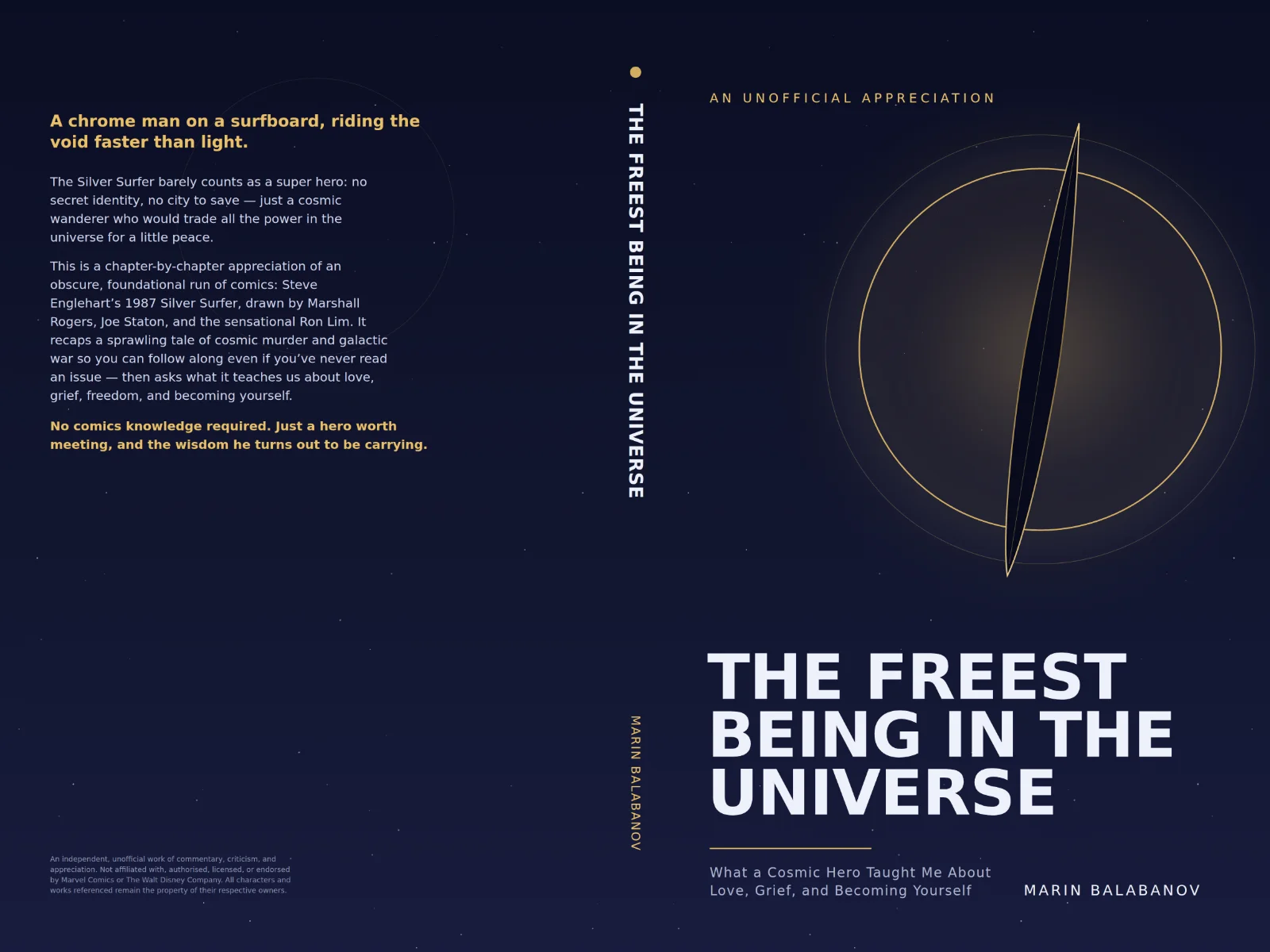
The full paperback wrap (back cover, spine, and front) laid out for a 5 × 8 trim.
Get it on:
Amazon.com →
Amazon.de →
Amazon.co.uk →
You don't have to buy the book to read it. I've published the full text here on the site for free, one part at a time, and all six parts are now online.
Start reading The Freest Being in the Universe:
Part 1 →
Part 2 →
Part 3 →
Part 4 →
Part 5 →
Part 6 →
The Freest Being in the Universe is quite the niche book. It is a chapter-by-chapter appreciation of an obscure but foundational run of comics. The 1987 Silver Surfer series (volume 3, issues #1–31) was written by Steve Englehart and drawn by Marshall Rogers, Joe Staton, and the sensational Ron Lim. Englehart wrote a sprawling tale of attempted cosmic murder, galactic war, and hard-won self-discovery, and it directly set up the Thanos epics that overshadowed it.
I did two things in my book. First, I recapped the plots and analyzed them issue by issue, so you can follow every domino fall even if you have never read a single one of these comics (though I very much recommend you read the originals). Second, and more importantly to me, I asked what the stories teach us about how to live. That means freedom and what we do when we finally get it, identity and grief, and love that does not last and matters anyway. It also means the recurring lesson that beyond every binary you are handed there is nearly always a third thing, and that third thing is where the meaning lives. I lean lightly on Stoicism, existentialism, and a little Buddhist non-attachment where they actually fit, but it is an appreciation, not a textbook. (No worries: I stay well clear of heavy philosophy jargon.)
Structurally The Freest Being in the Universe runs to seven chapters. A scene-setting chapter on the Surfer's first twenty years (1966–1987) lays out the cage Stan Lee and Jack Kirby built around him, and why the character “everyone loved and nobody could sell” stayed locked in it for two decades. Then five chapters walk the Englehart run itself. The first covers the false-start first issue and the Elders' conspiracy to assassinate Galactus. The second covers the transitional stretch that hands the Skrulls their salvation. The third covers the arrival of Ron Lim and the war of the “third forces” fought down a black hole. The fourth covers the backstage civil war with Marvel that nearly broke the run, written under protest and half in code. And the fifth, at last, covers the second Kree–Skrull war, with a race that forgot how to be itself, a spy on the enemy throne, a fool crowned emperor, and one final page of hard-earned transcendence. Every chapter closes with full Notes and Sources, citing the comics, the creators, and Englehart's own commentary.
Underneath the plot machinery, one distinction does more work than any other: the gap between raw power and the wisdom to understand what a thing actually is. The Surfer wins his war not by being stronger and hitting hardest but by out-thinking gods, and that turns out to be the most consoling idea in the whole run.
I must confess that I was a bit worried that I might be infringing on Marvel's copyright here but I also hoped that a work of literary criticism would be acceptable. So far I had no issues after I took the precautions of removing any mention of the Silver Surfer from the title and subtitle. It is, I should say plainly, an independent, unofficial work of commentary and criticism, containing none of the original Marvel artwork.
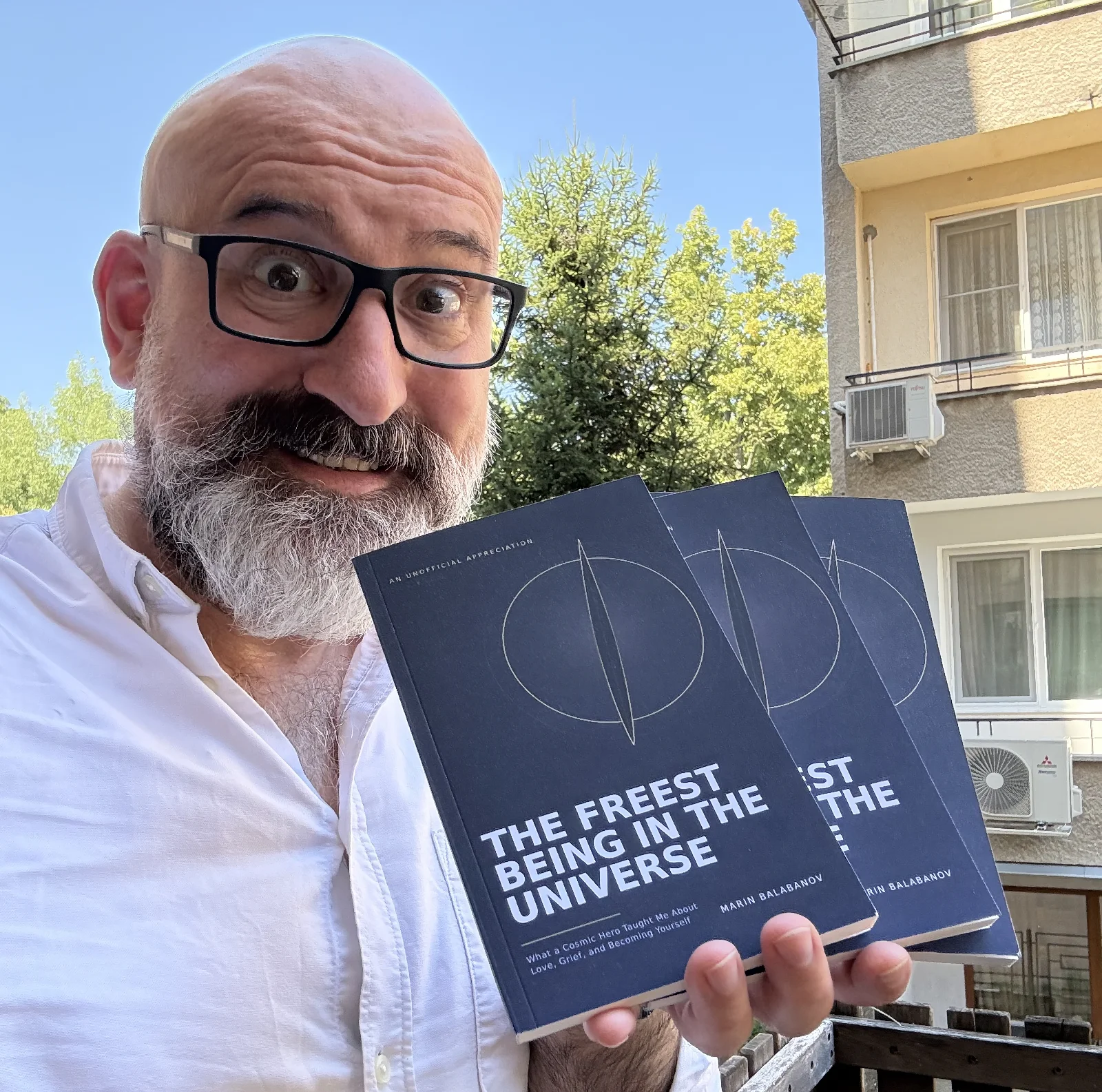
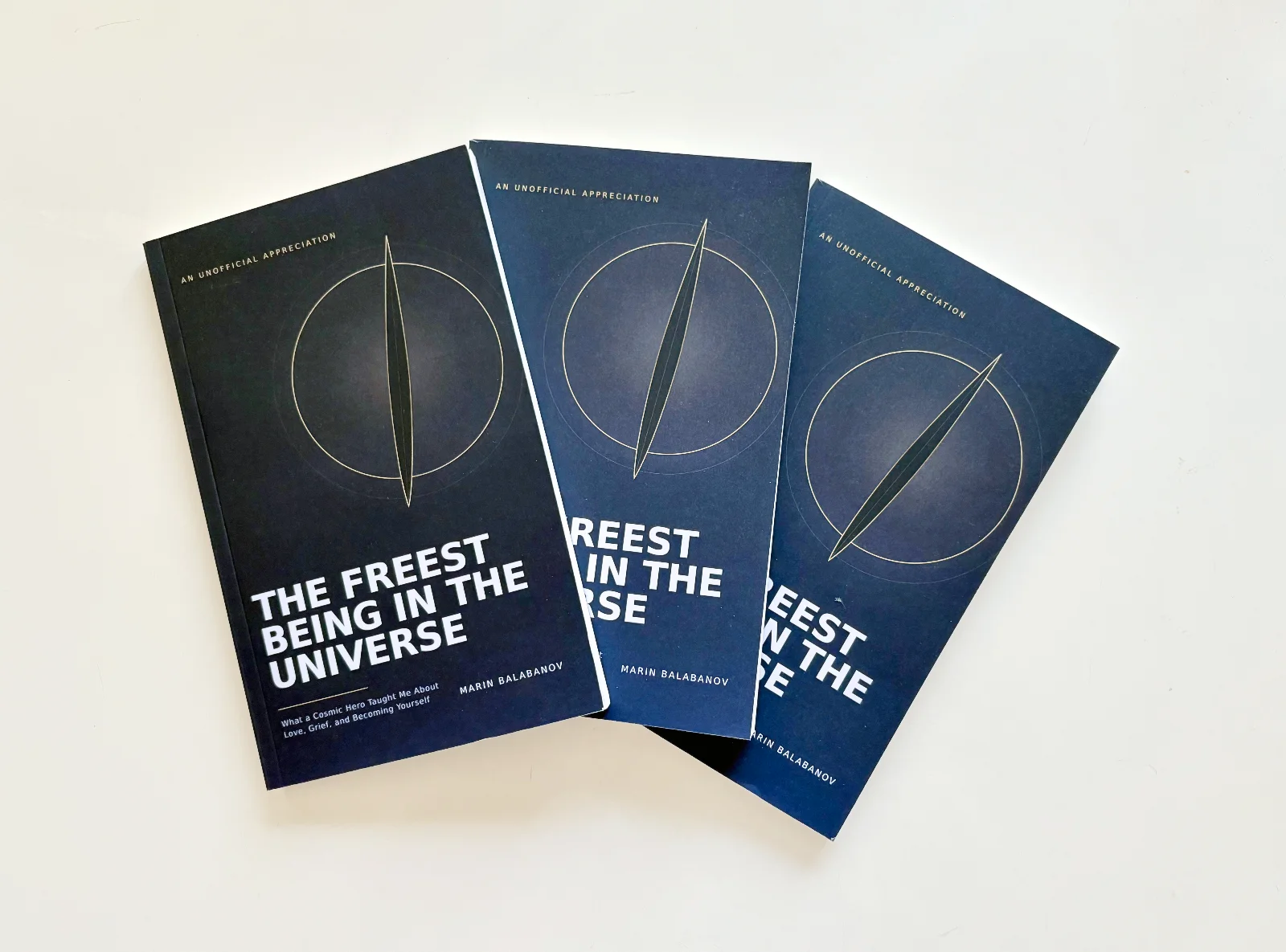
Happy with the print quality of these proof copies.
From Blog Posts to a Book
This book started life right here on this site, as a series of Silver Surfer articles I had been writing. At some point it became obvious there was a single, longer argument running through them, and that I could turn it into a book. So I restructured everything into the deliberate seven-chapter arc described above, opening it out from a handful of scattered posts into one continuous read.
A word about language: I read Steve Englehart's run on the Silver Surfer in English. I never read it in German, and the only issues I own are the English ones. Writing the book in English rather than in my native German followed naturally from that, and it was also a practical choice. The topic is niche enough that English gives me a slightly larger potential audience than German would.
From a process point of view, I wrote each chapter as its own Markdown file and tracked them in a repository on GitHub. That gave me version history and diffs for every editing pass, and let me reorder sections and revise chapters freely as the seven-chapter structure came together.
I managed to finish a first complete but rough draft over a weekend. But the bulk of the work was everything after the actual draft. Wanting to get everything right, I did a full research pass to ground every plot beat and every life-and-philosophy reading, then added the Notes and Sources to the foot of each chapter. Then I did a cohesion pass to make seven separate pieces read in one voice. The whole book landed at around 26,000 words of main text, closer to 31,000 with the notes.
The writing itself is my own, but I did lean on Claude for spelling, grammar, and phrasing corrections, as well as a final proofreading pass over the whole manuscript.
There was also another motive. I am currently writing a novel about the demoscene, and I wanted to understand exactly how the KDP publication process works before I finish it. That way, when the novel is ready, I can publish it without any surprises. The Freest Being in the Universe was the perfect, lower-stakes way to learn the whole pipeline end to end first.
The Covers of the Series
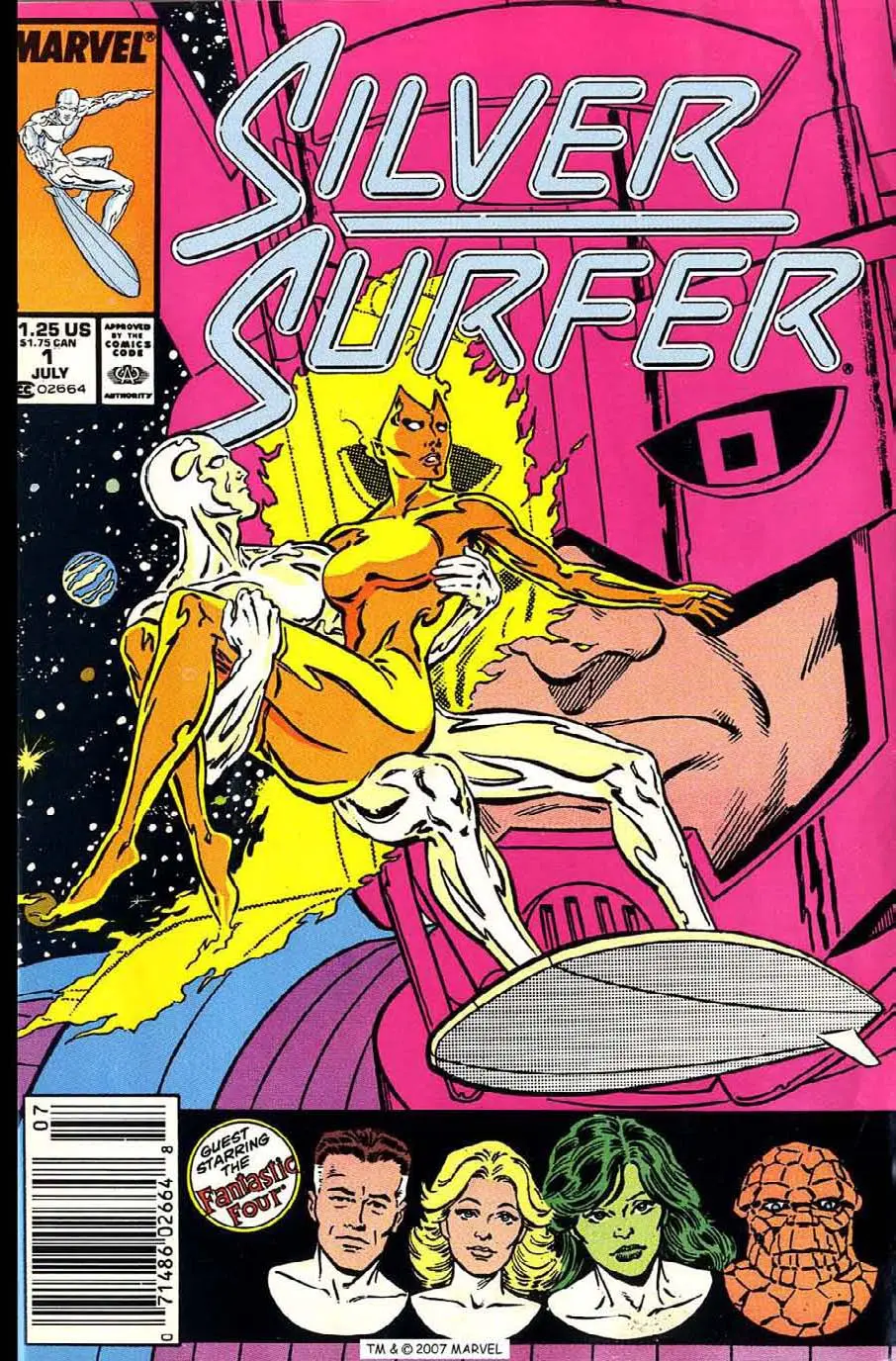
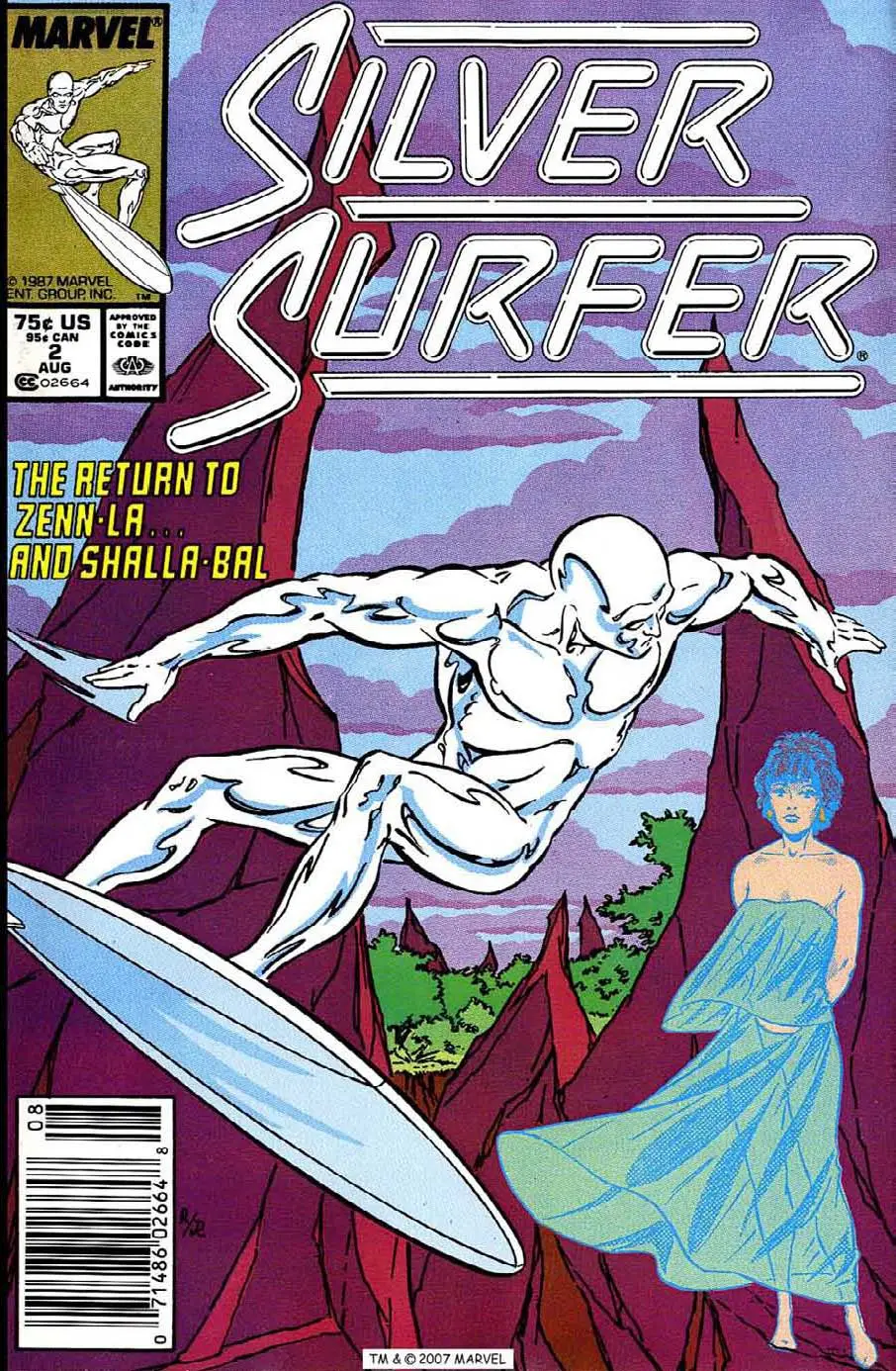
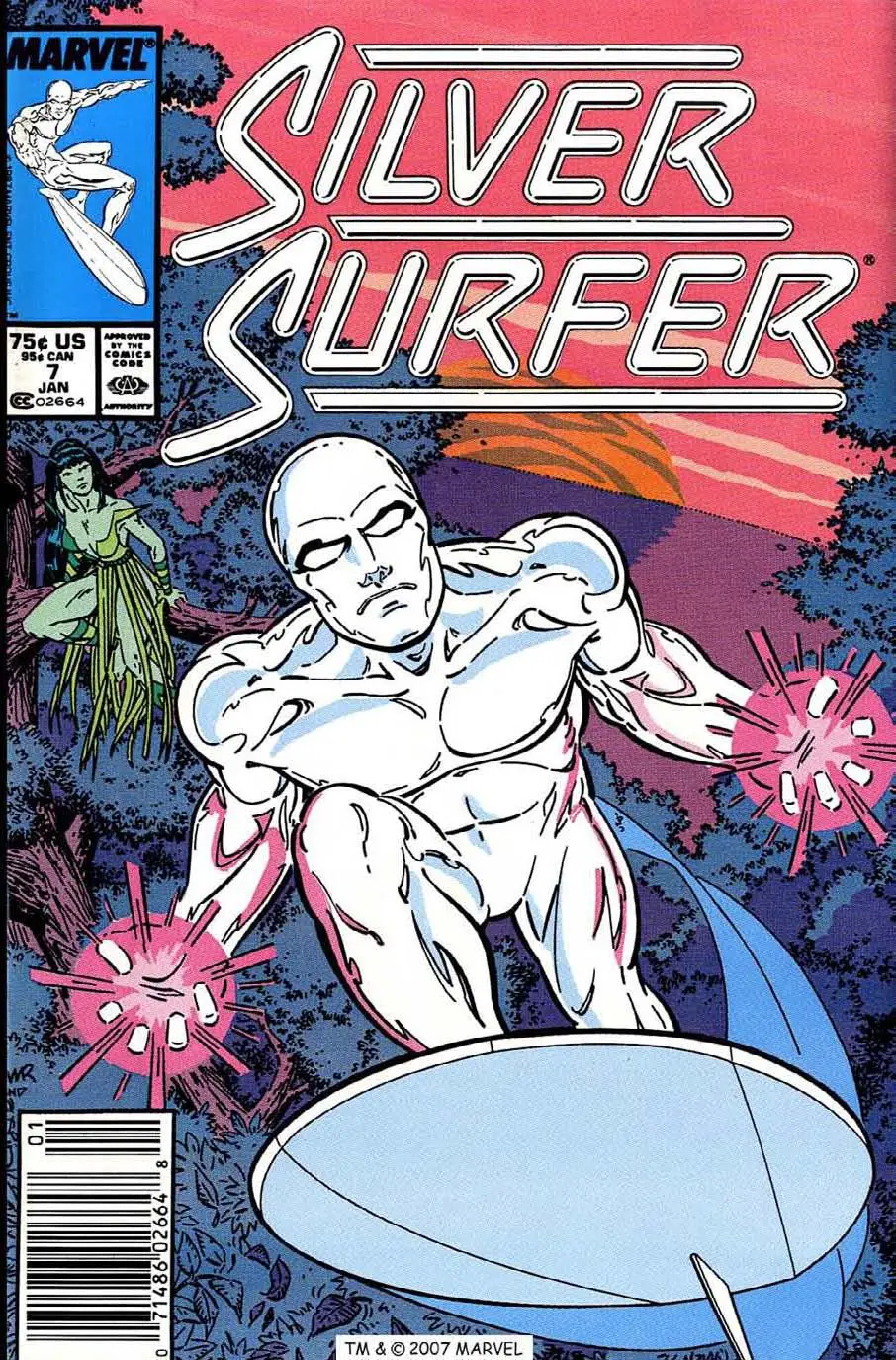
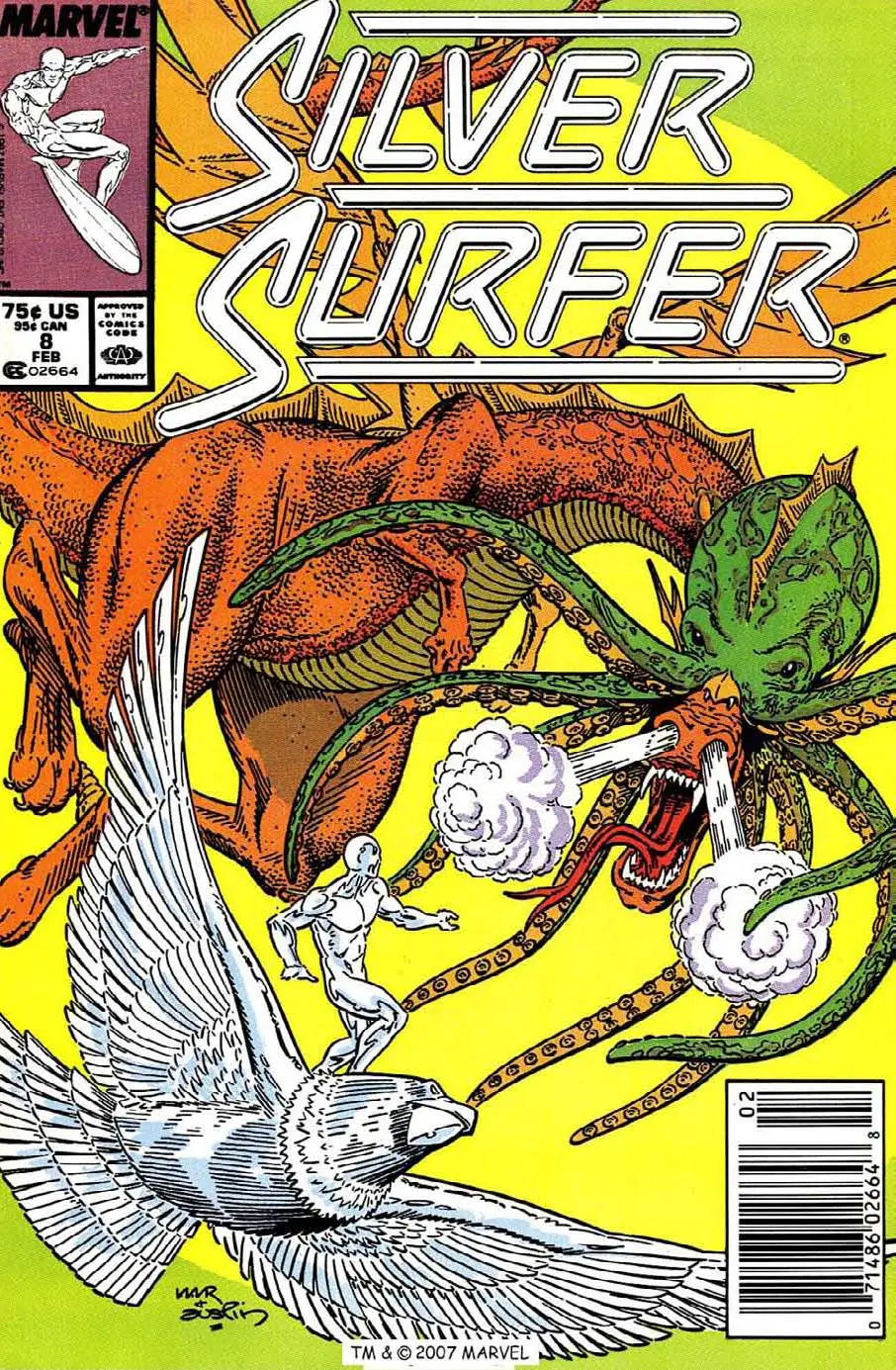
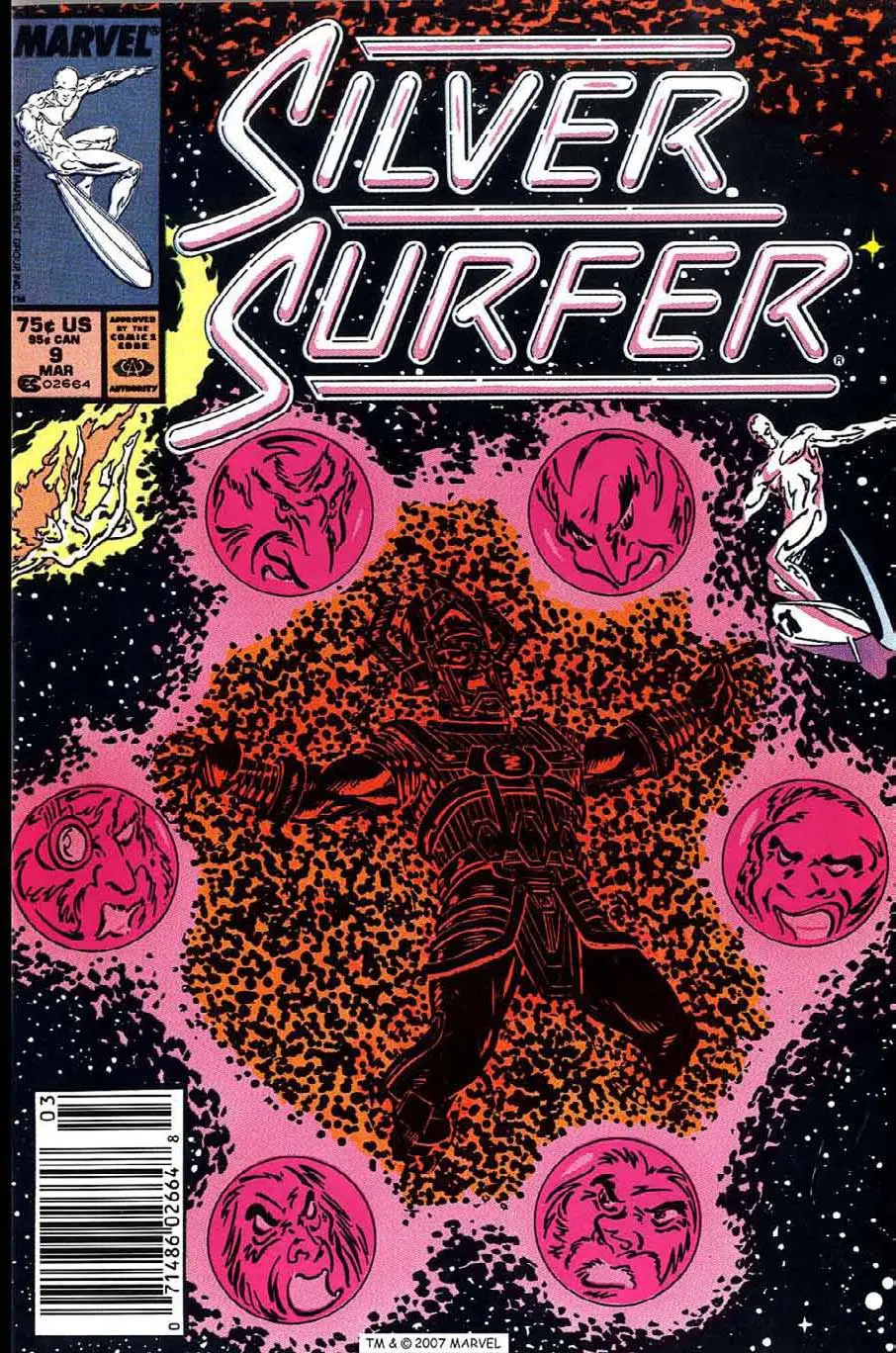
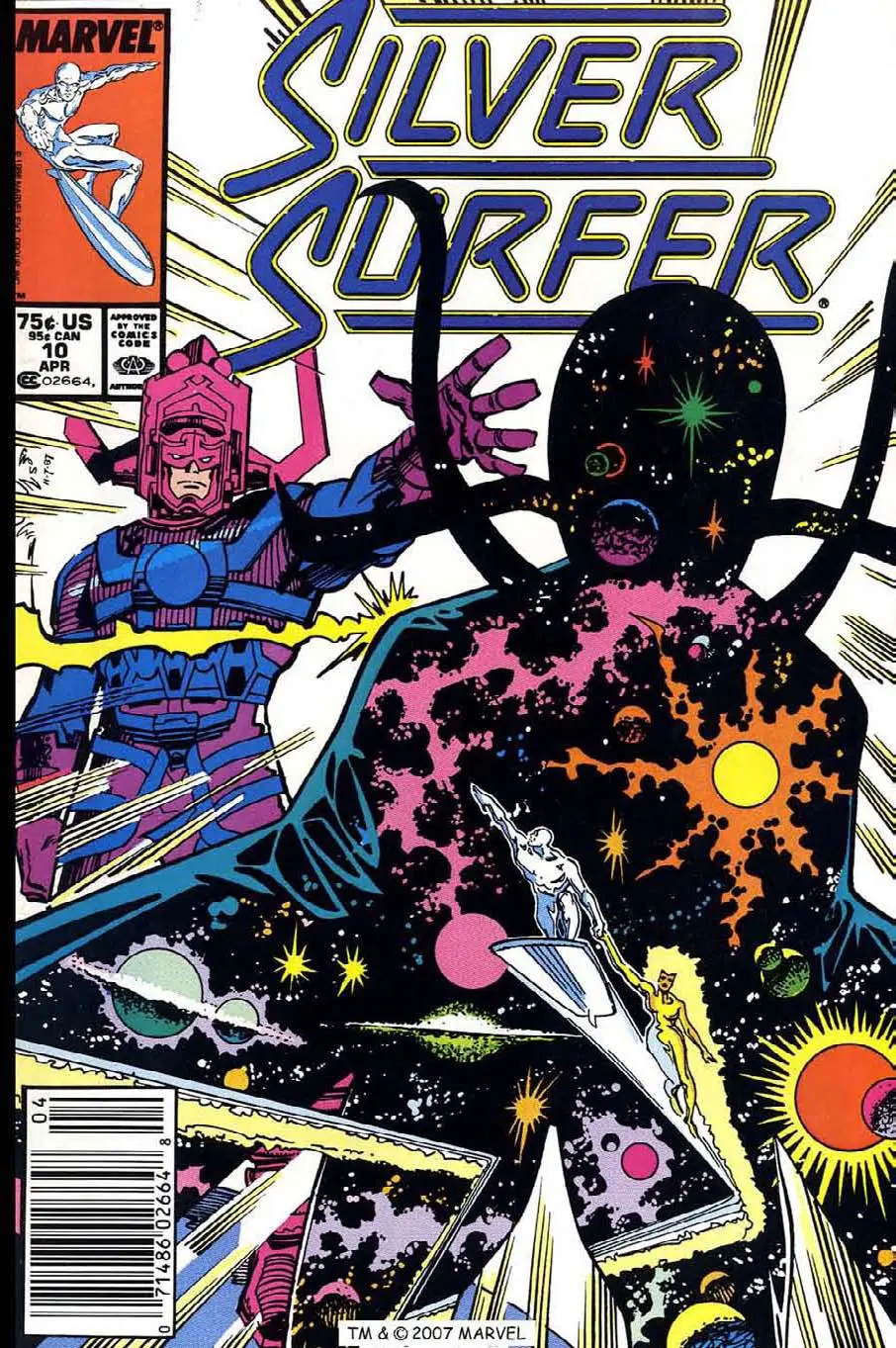
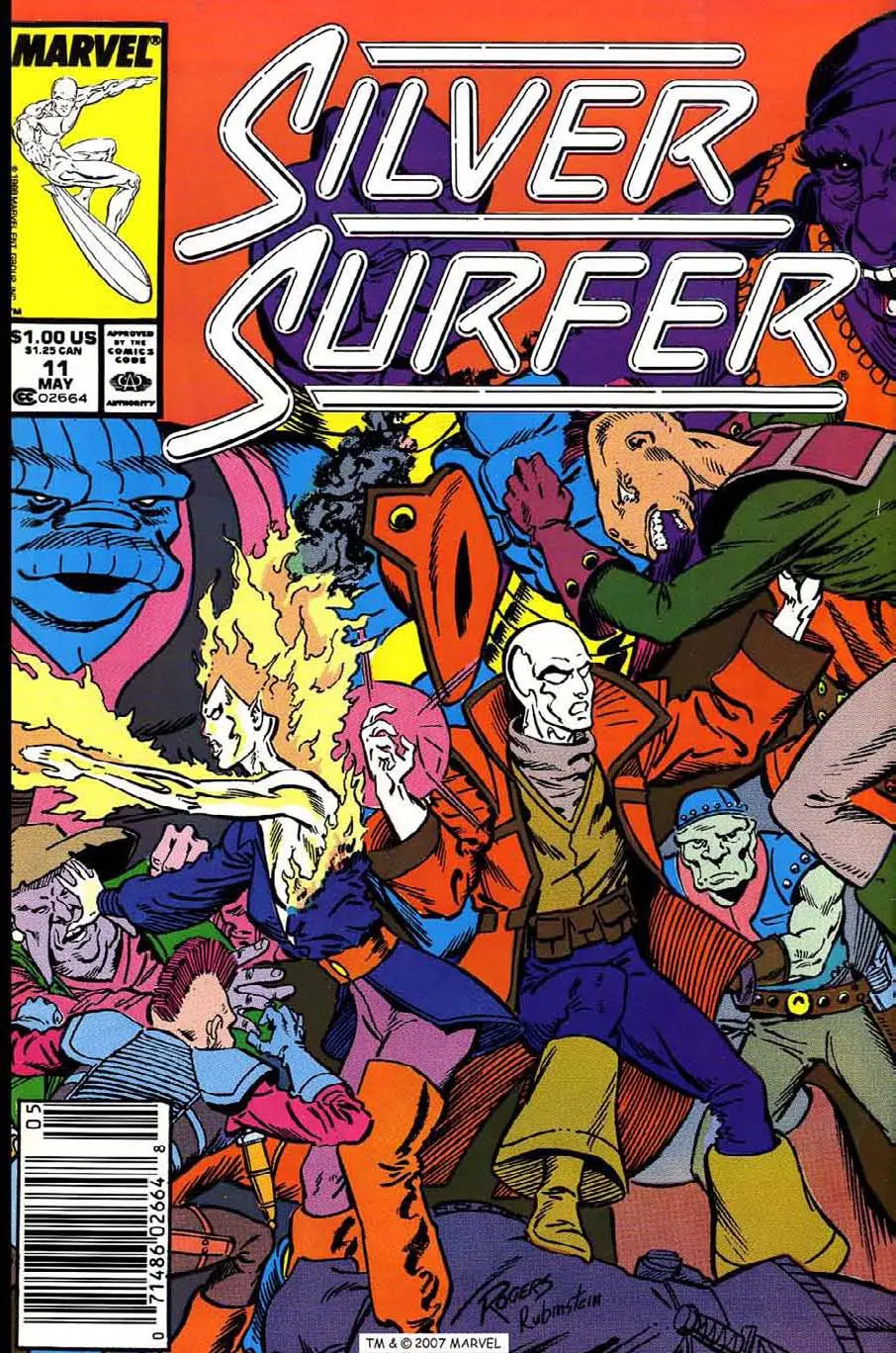
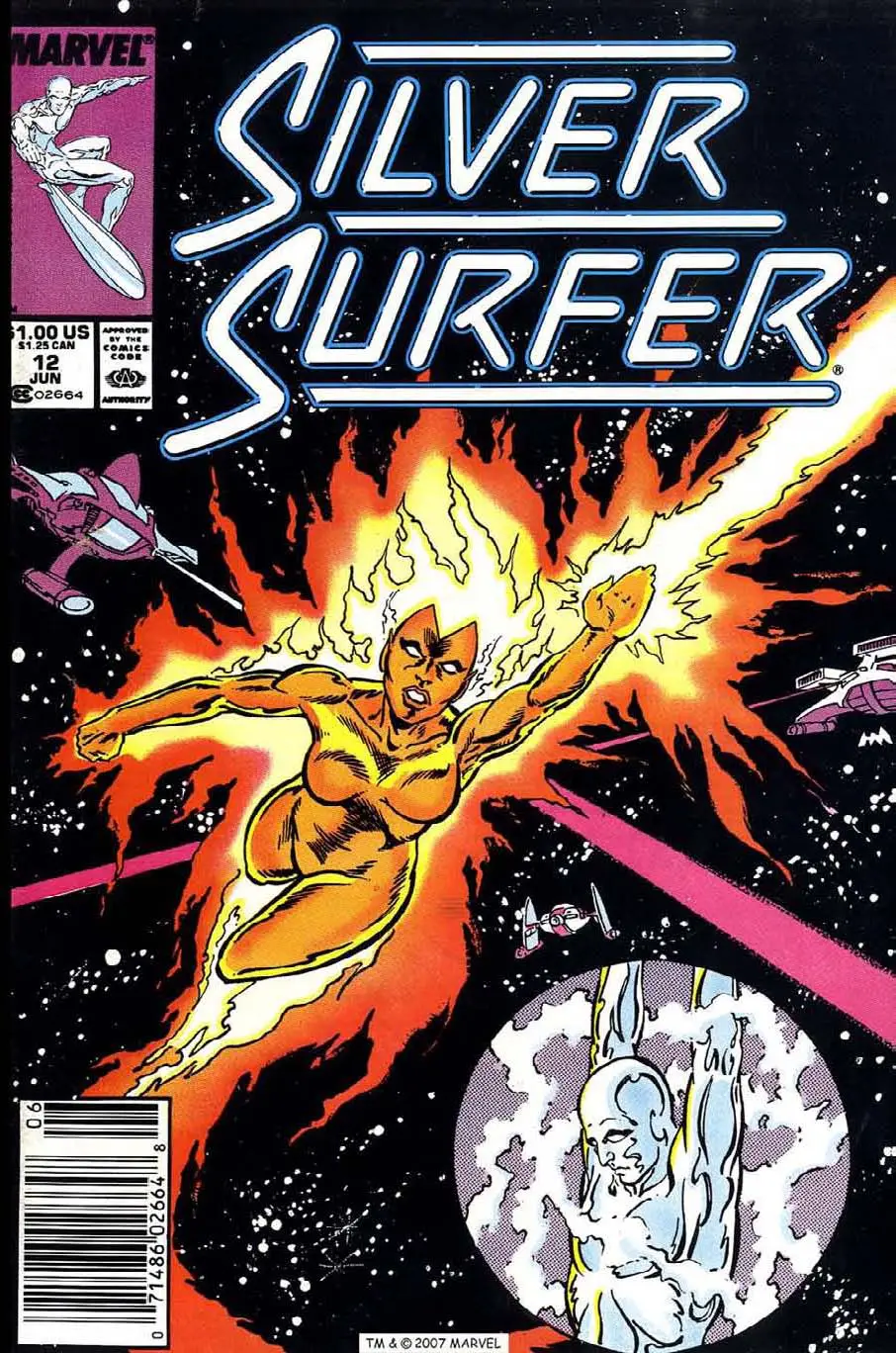
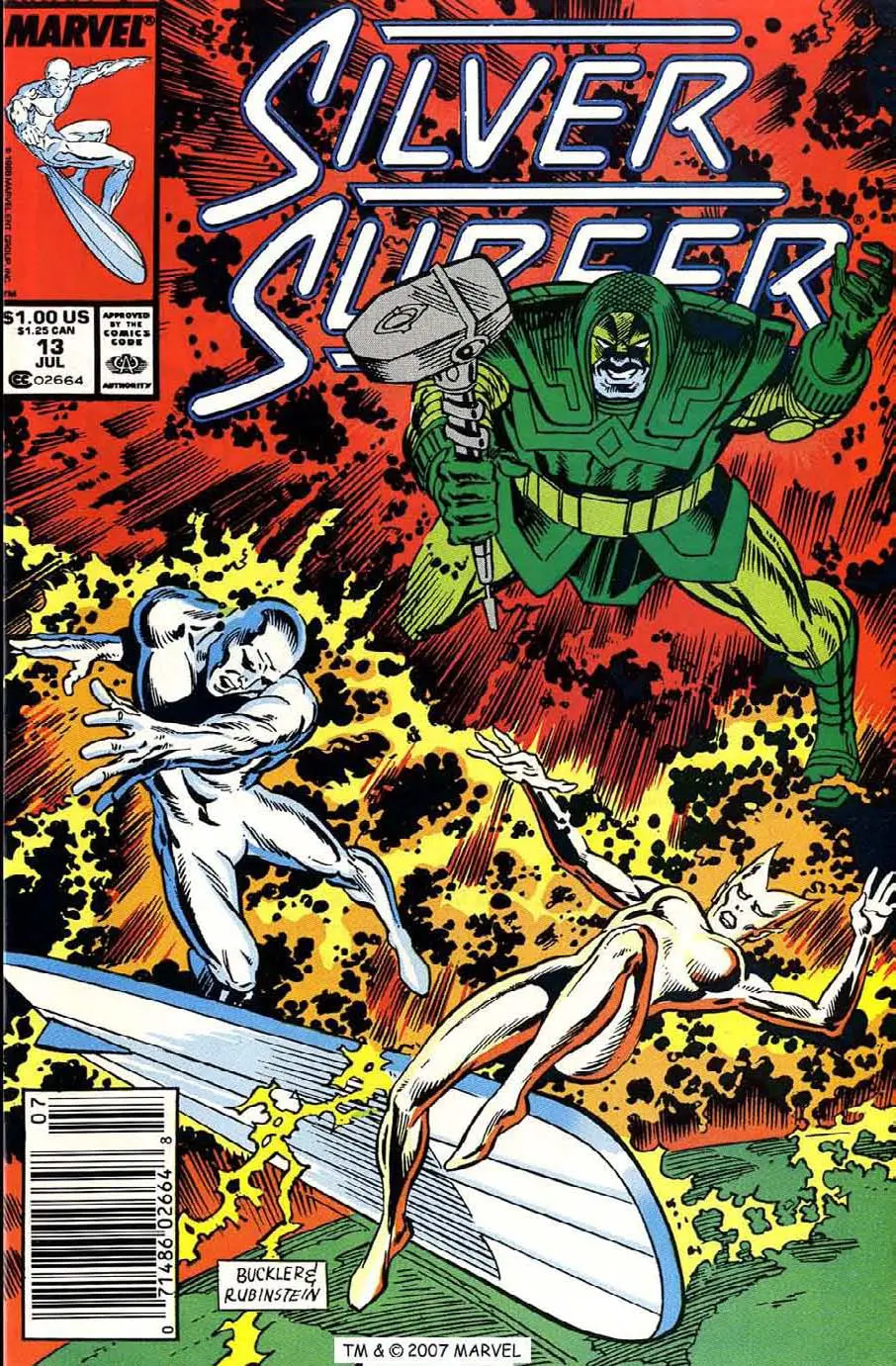
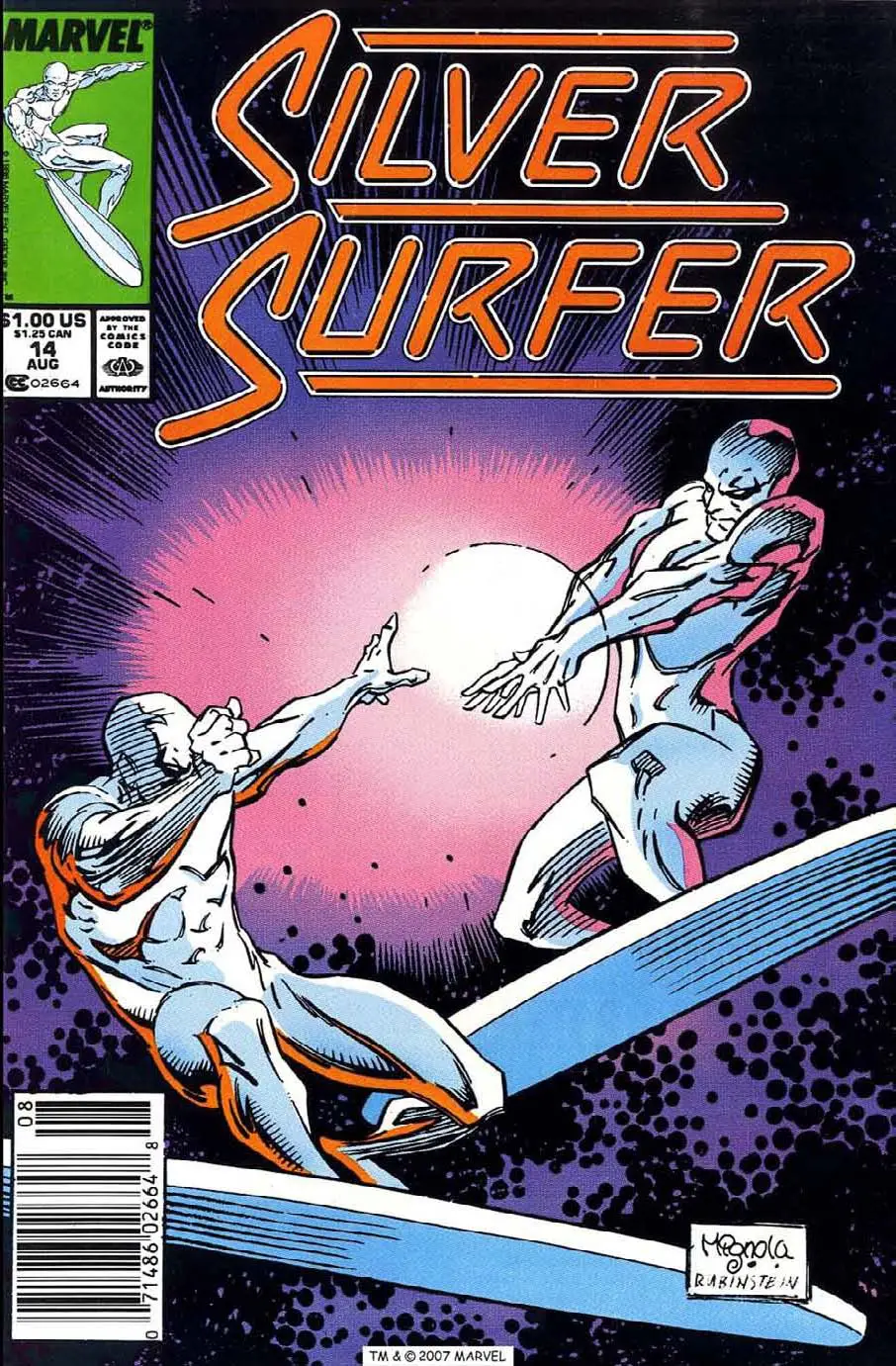
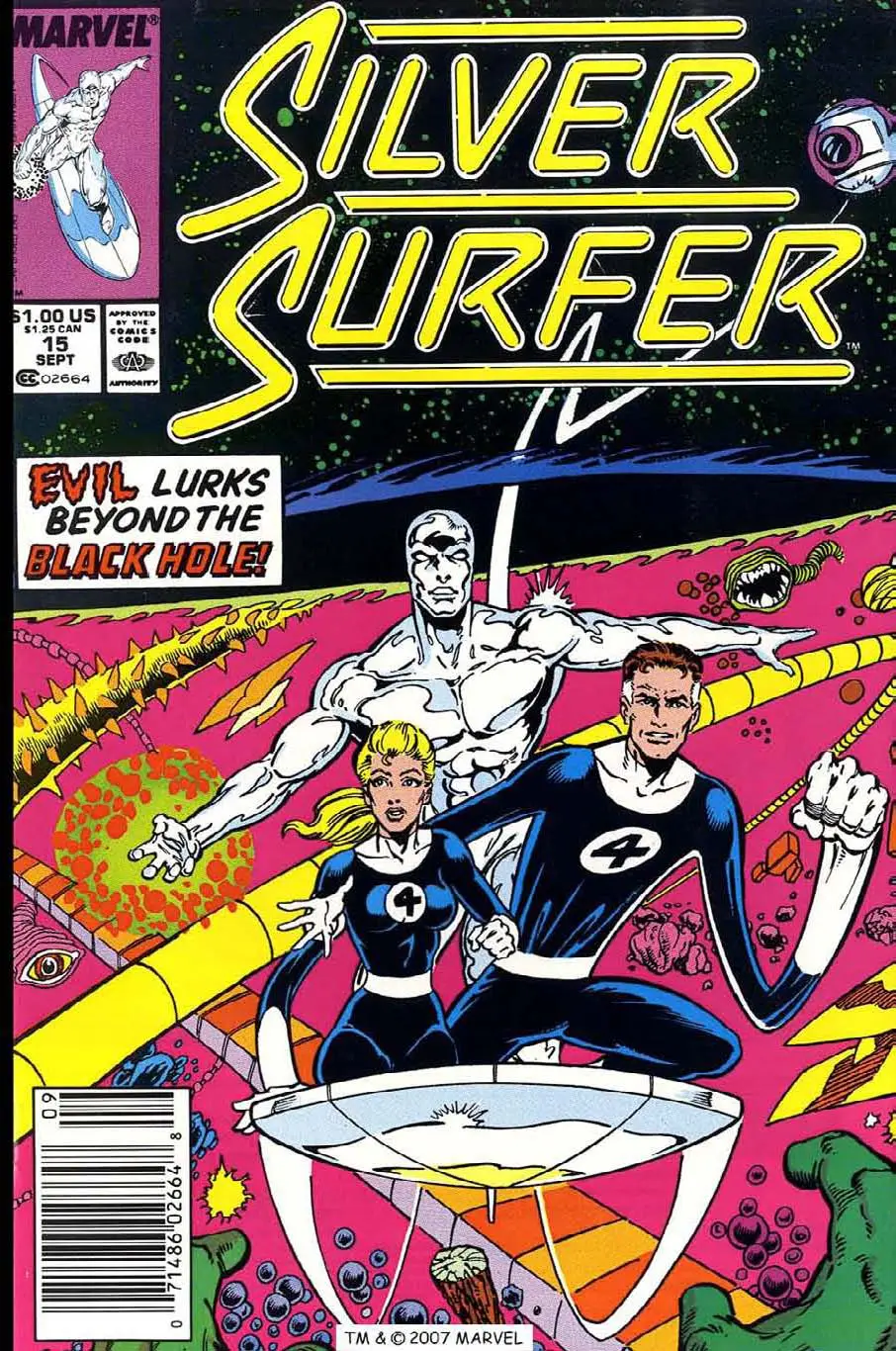
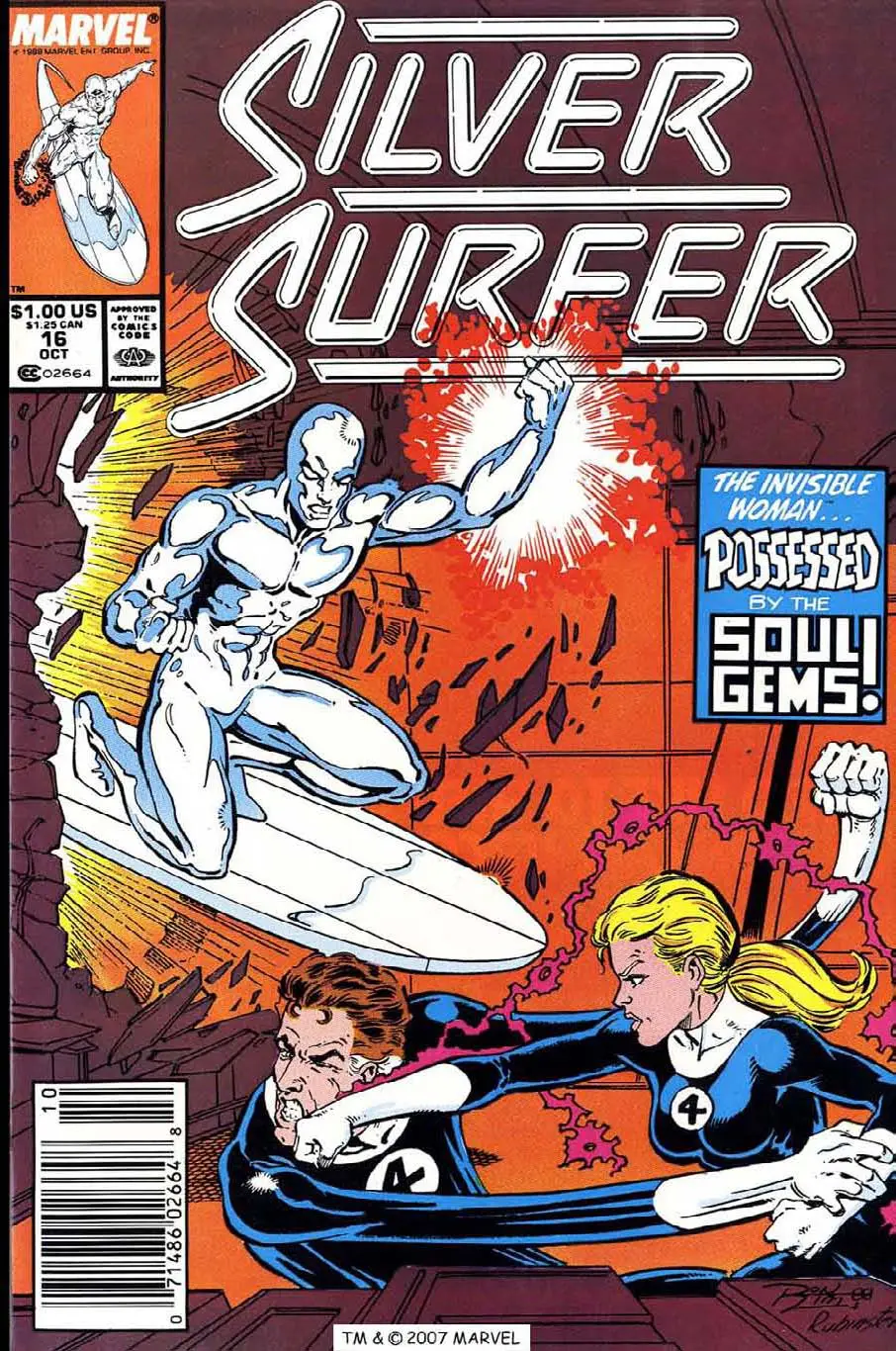
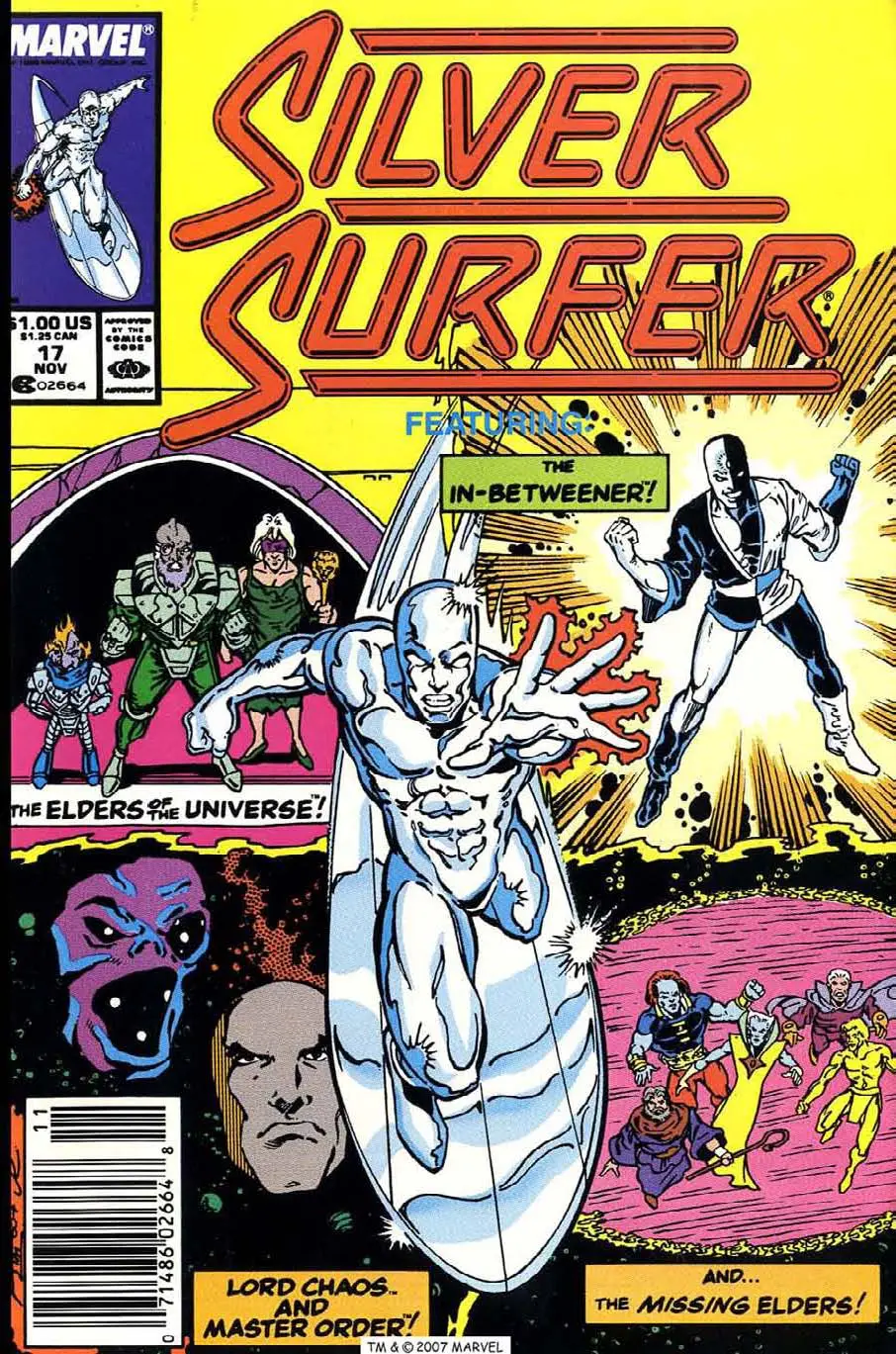
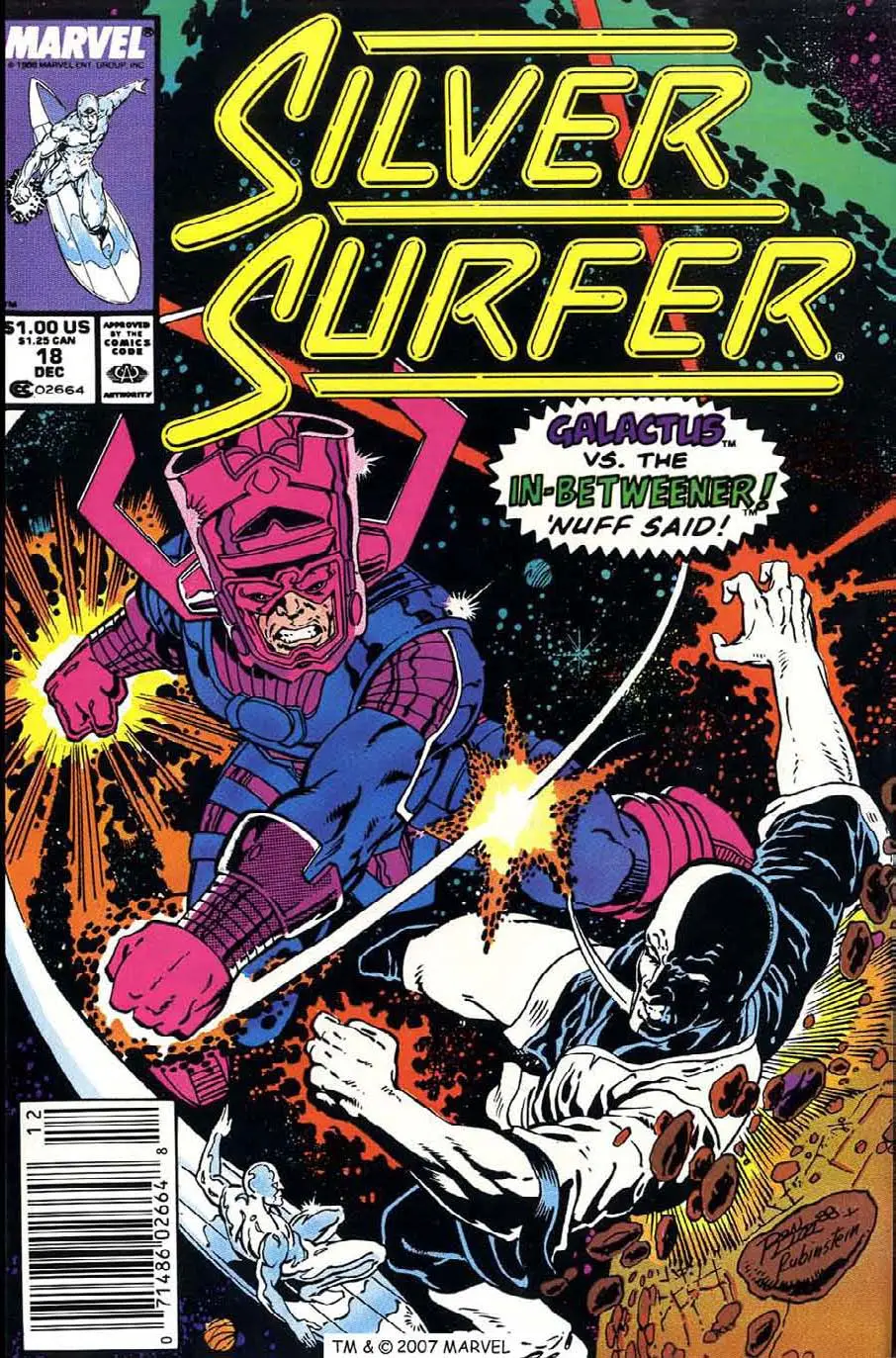
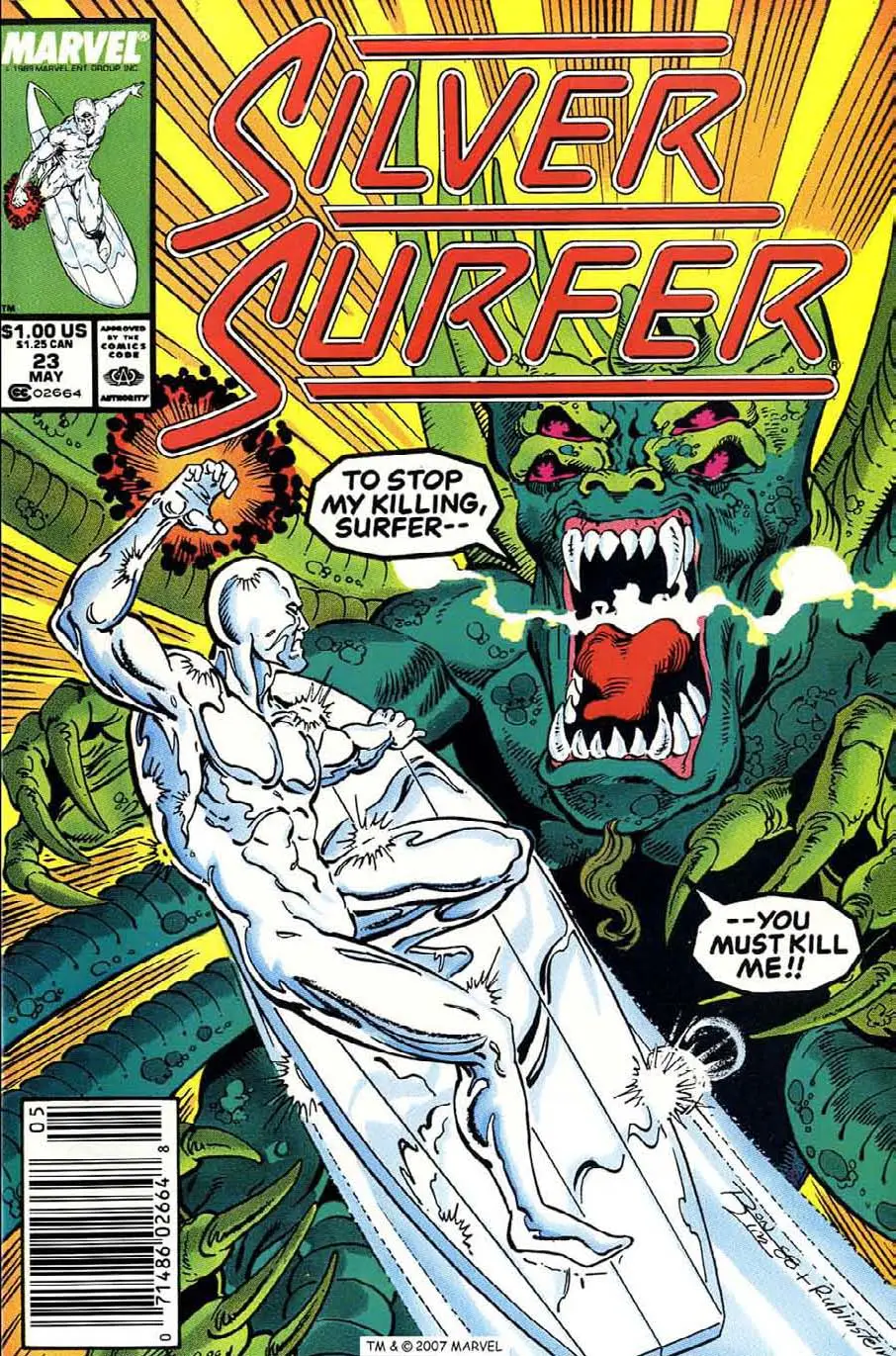
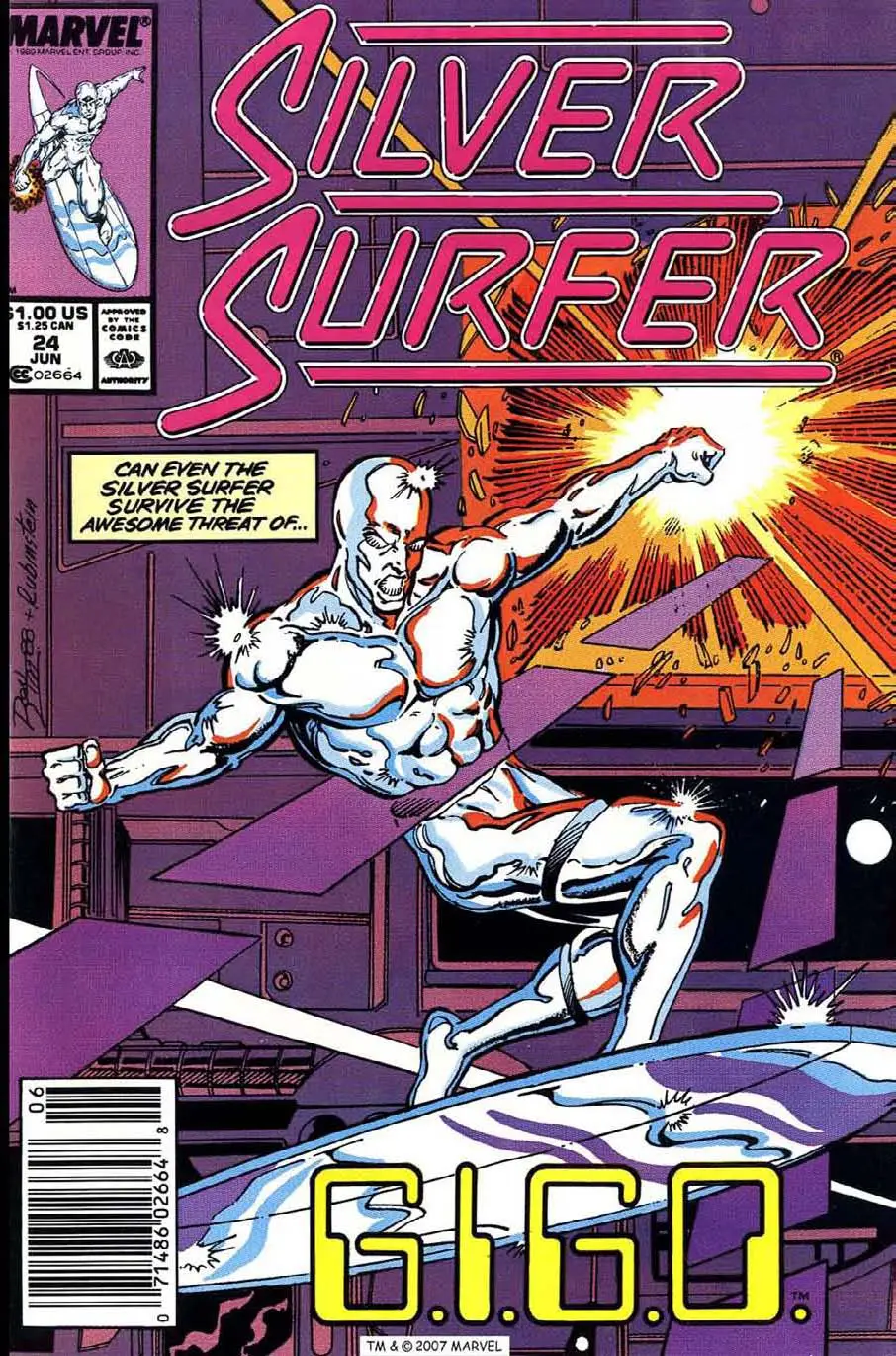
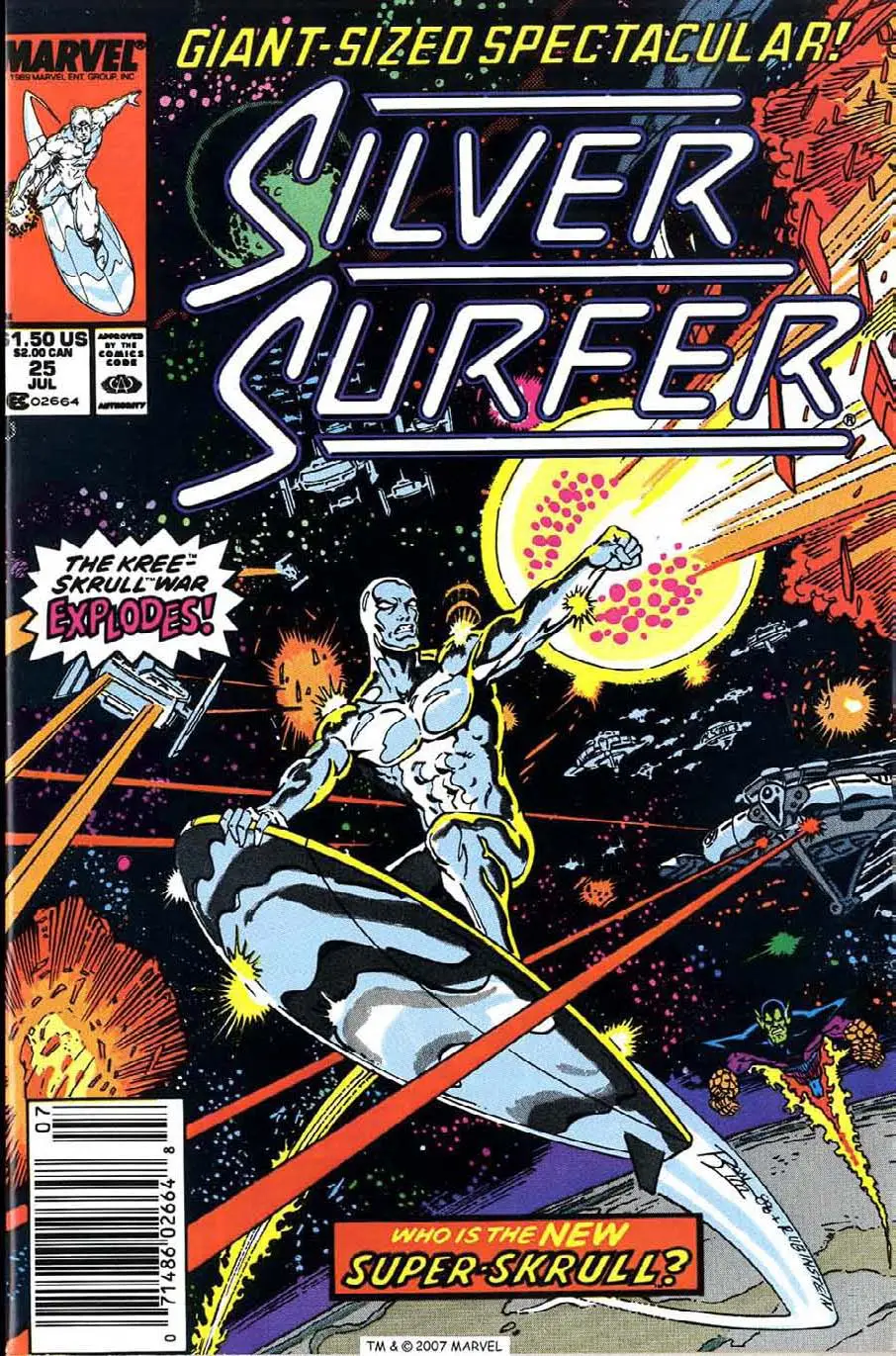
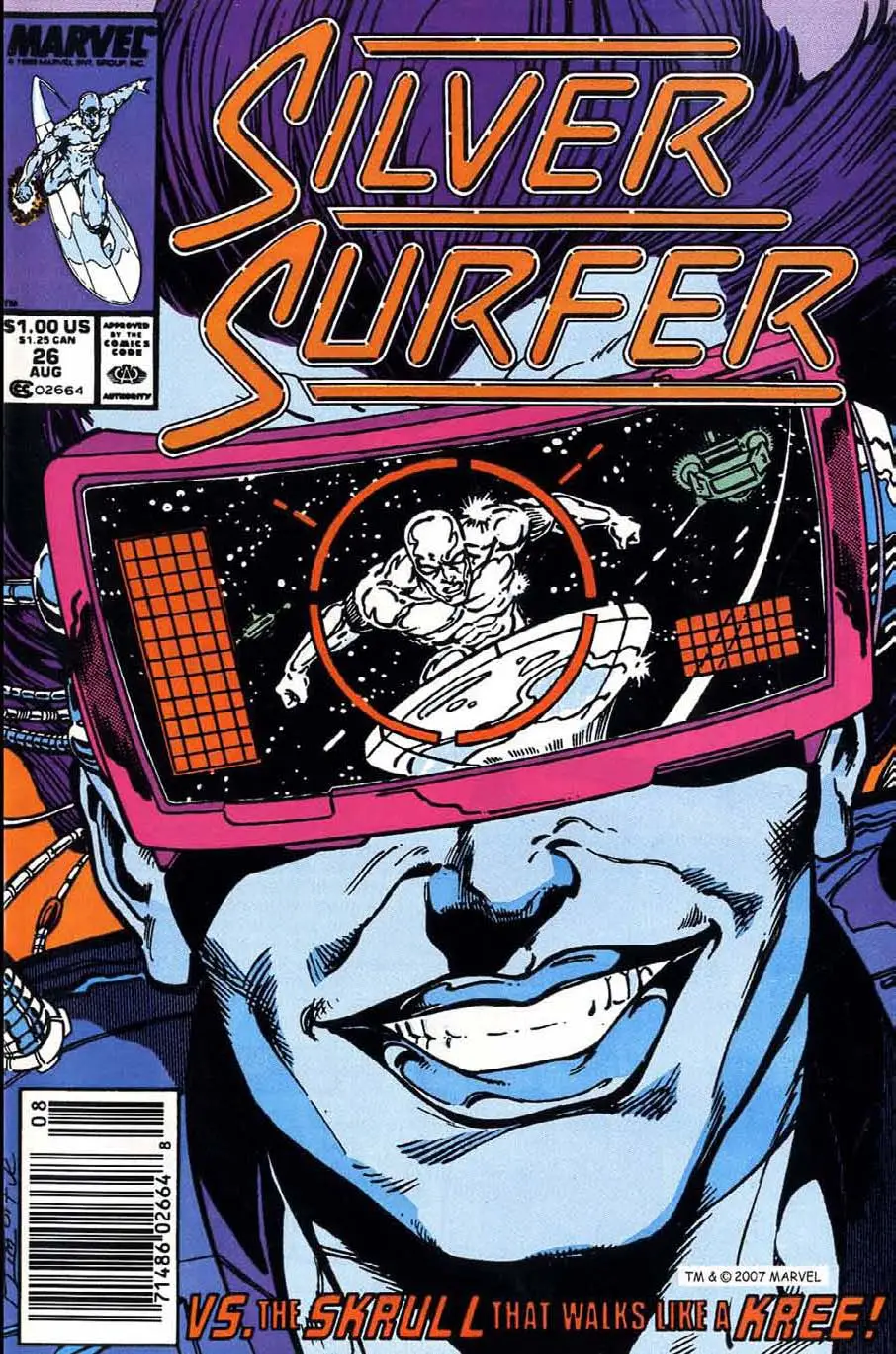
One thing to know about the book itself: it contains no illustrations. For copyright reasons, not a single panel or page of Marvel artwork appears inside it. Every scene is carried by prose alone. The one thing I can show you is the run's covers, so here they are. All thirty-one issues of Silver Surfer volume 3 that the book walks through are gathered here, grouped by the book's chapters, so you can put an image to each stretch of the story. Click any cover to open it larger.
Issues #1–10: Free! The Elders’ plot against Galactus
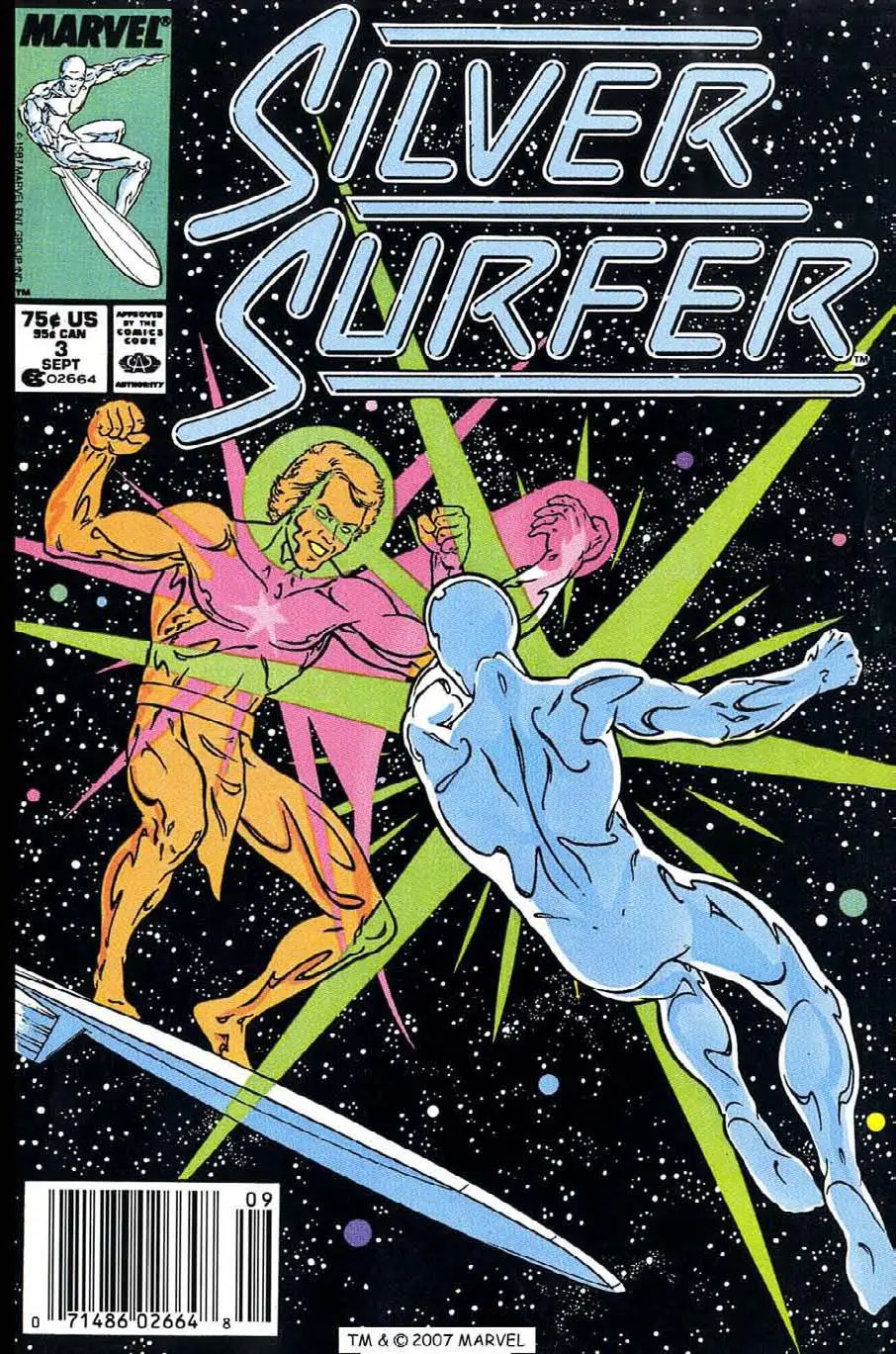
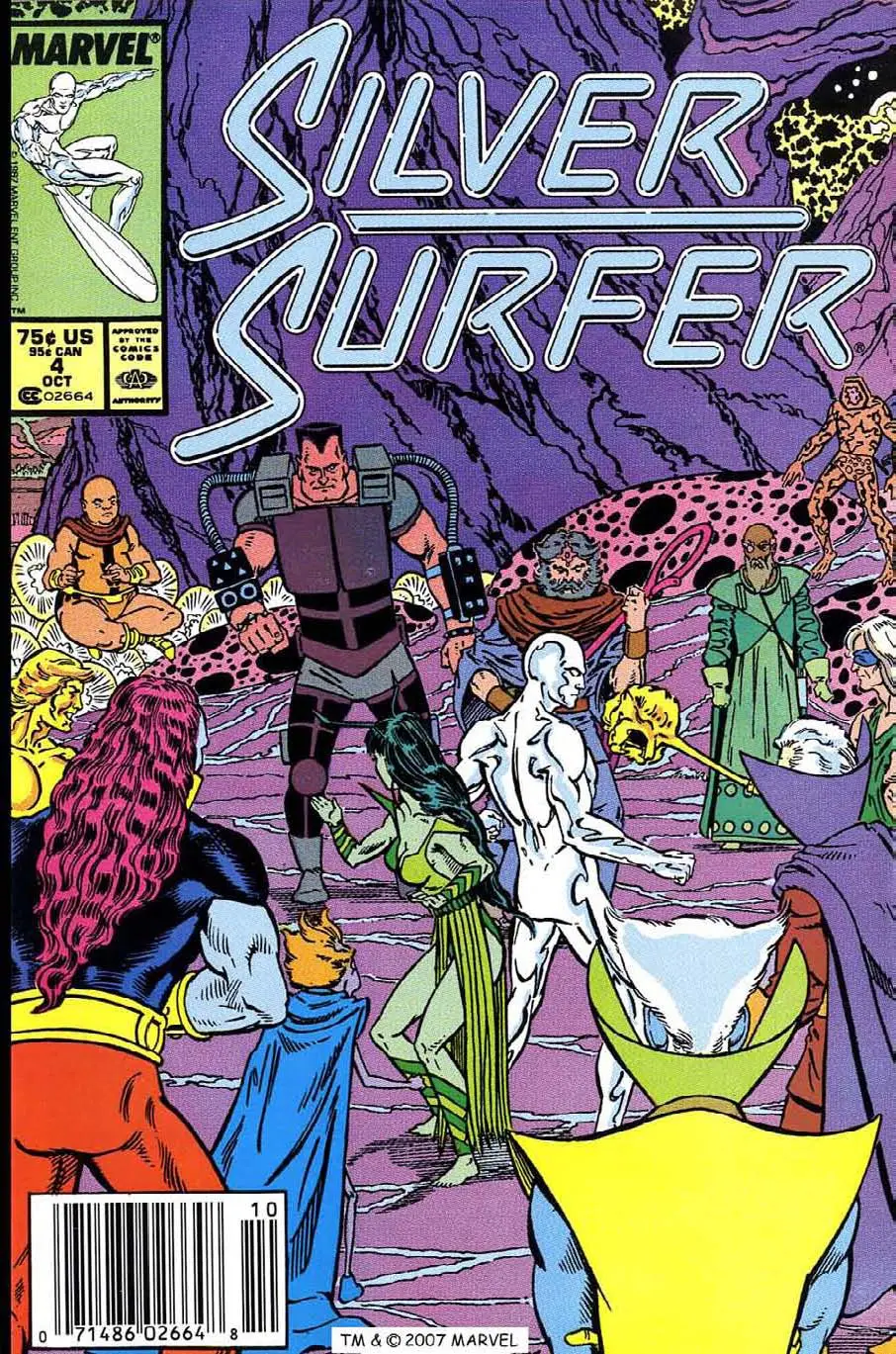
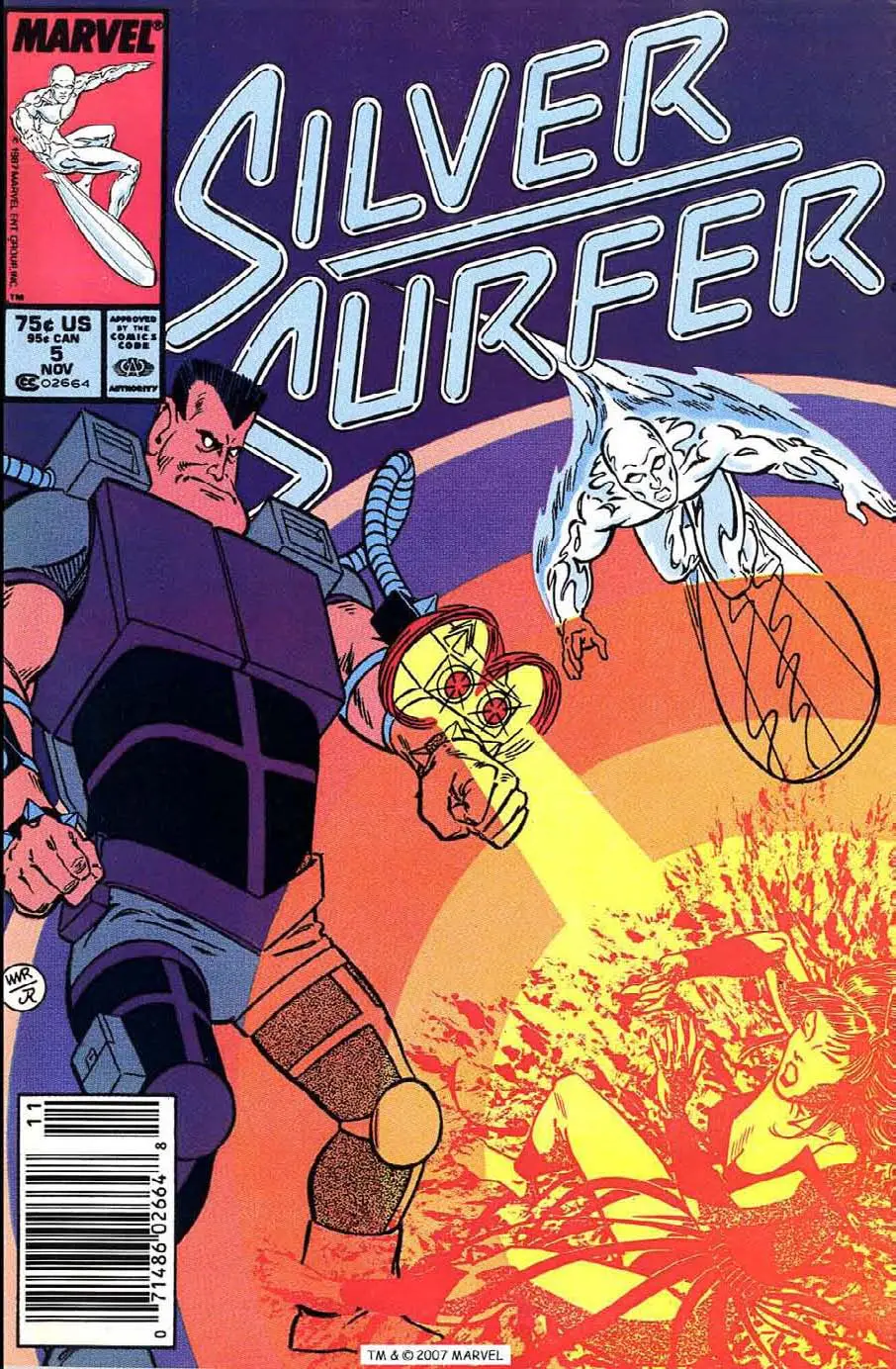
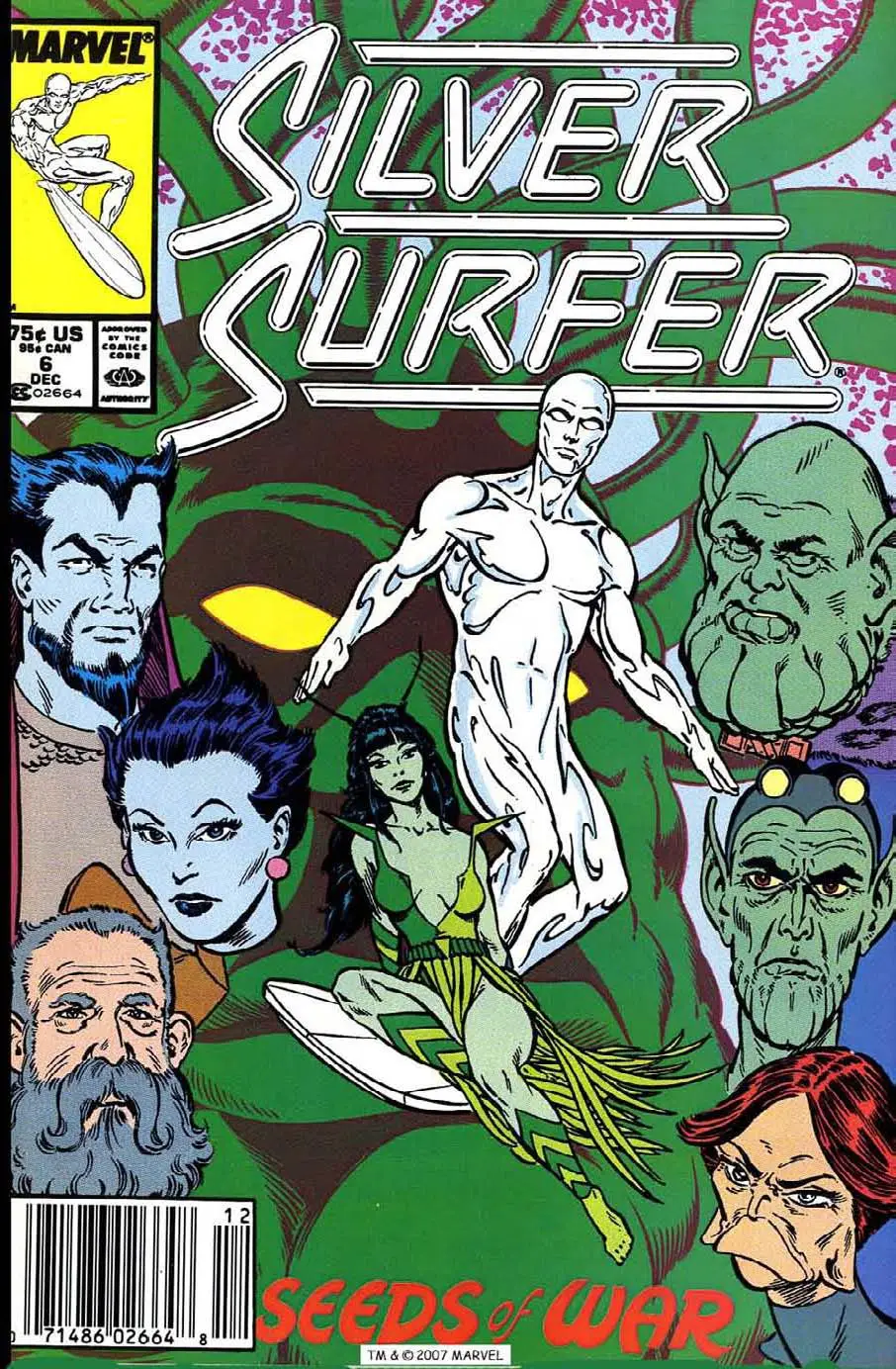
Issues #11–14: Pirates, Accusers, and the Other Silver Surfer
Issues #15–18: Into the Black Hole
Issues #19–24: The Surfer in Shackles
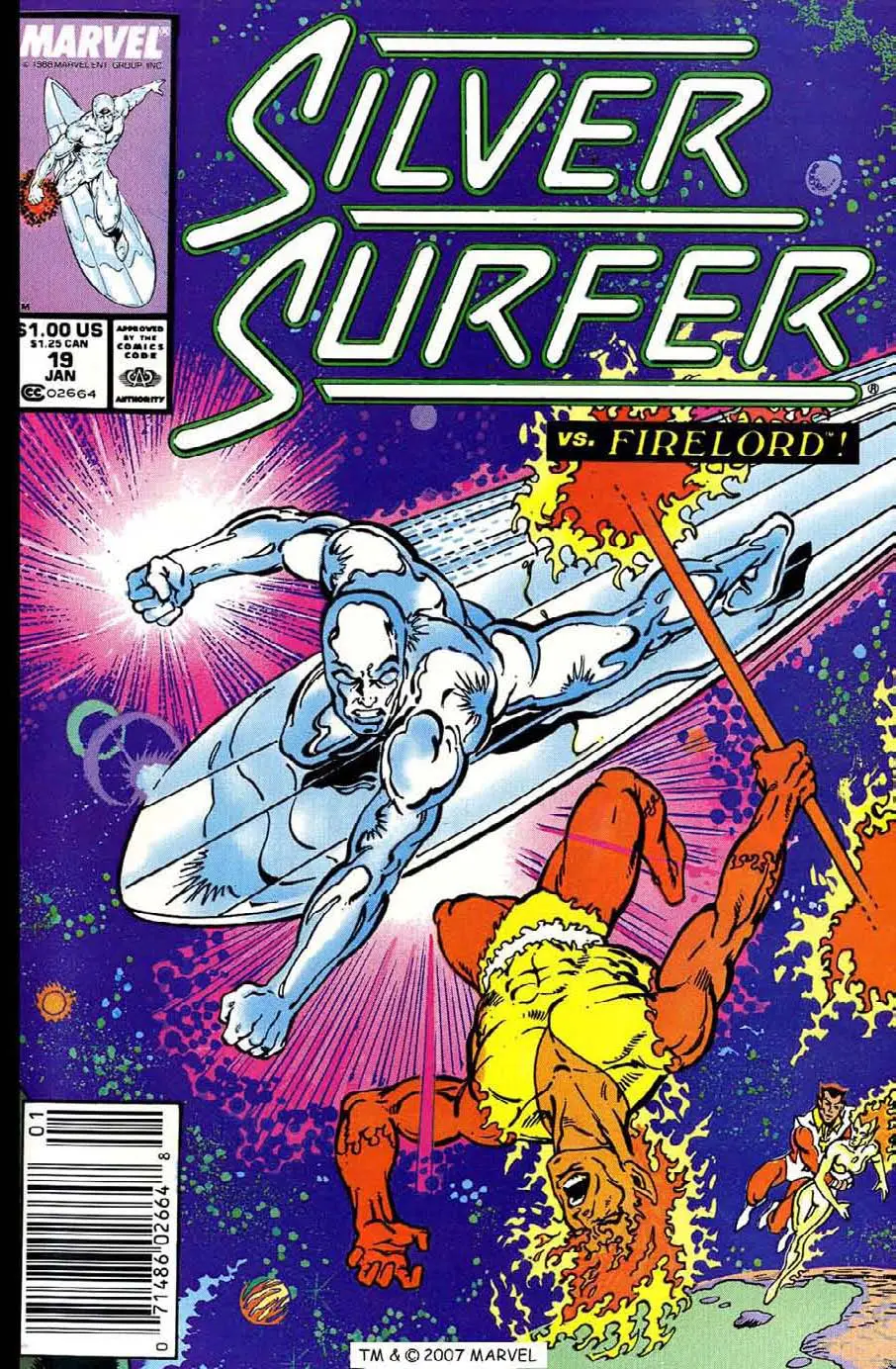
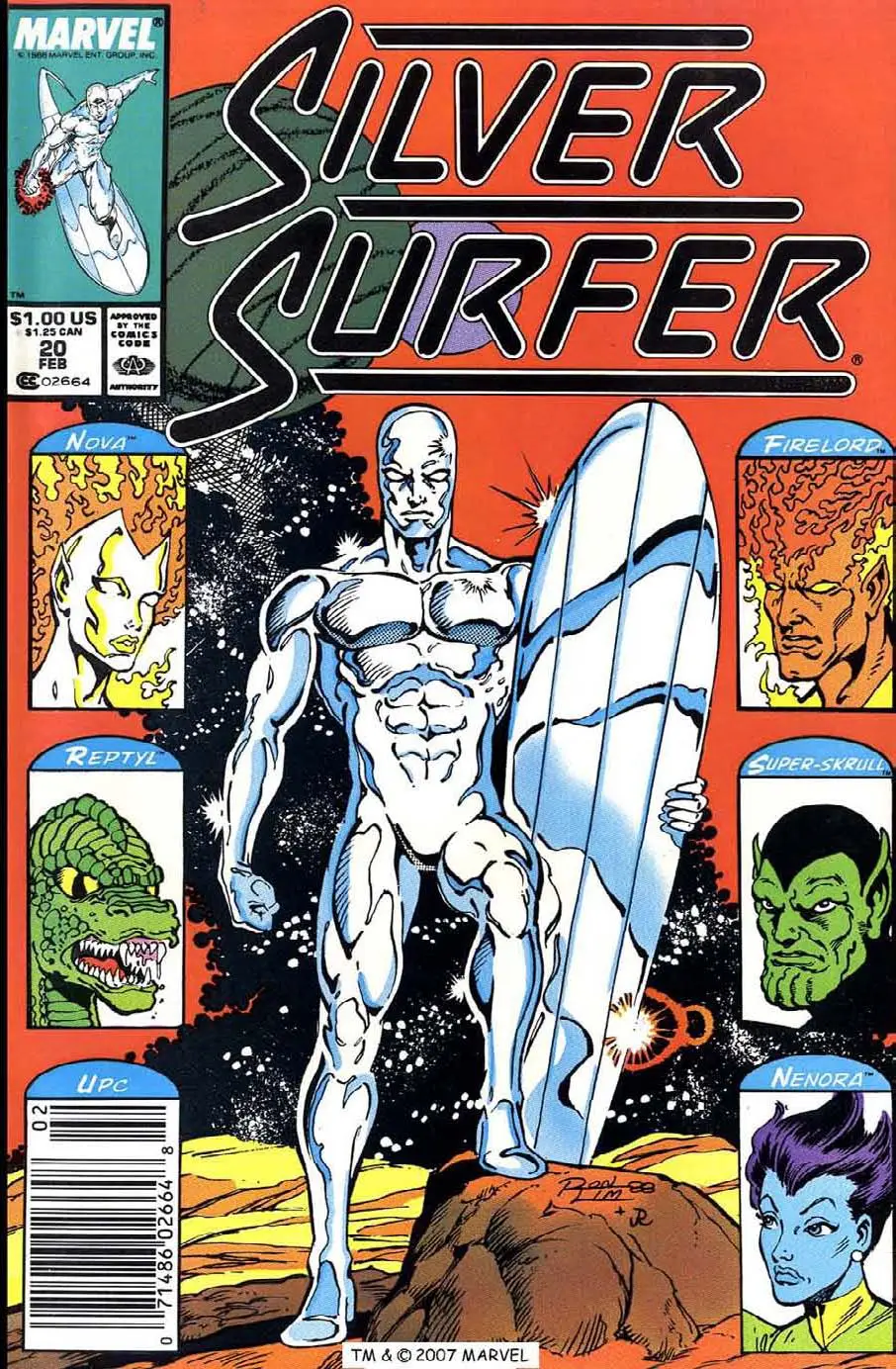
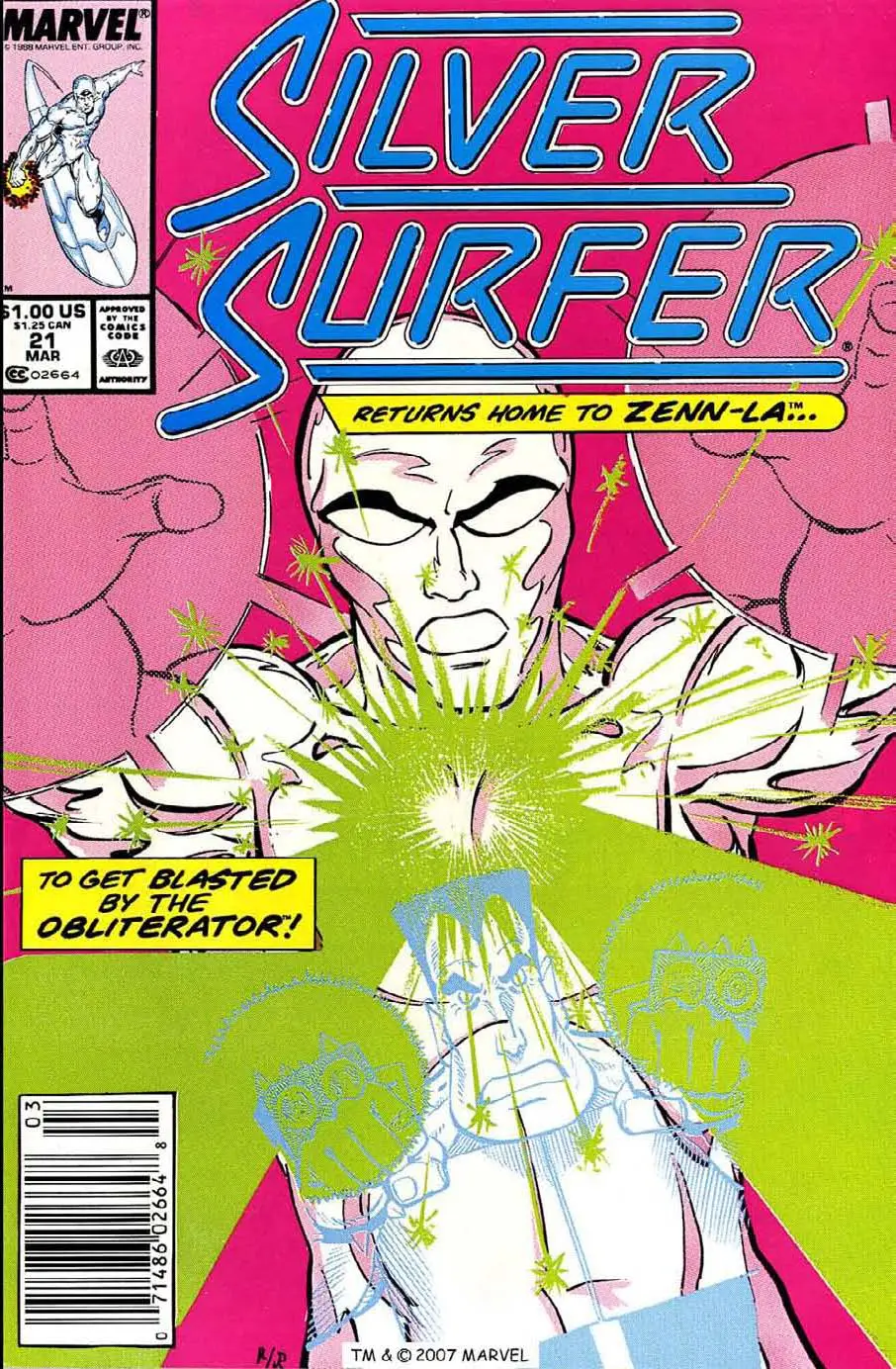
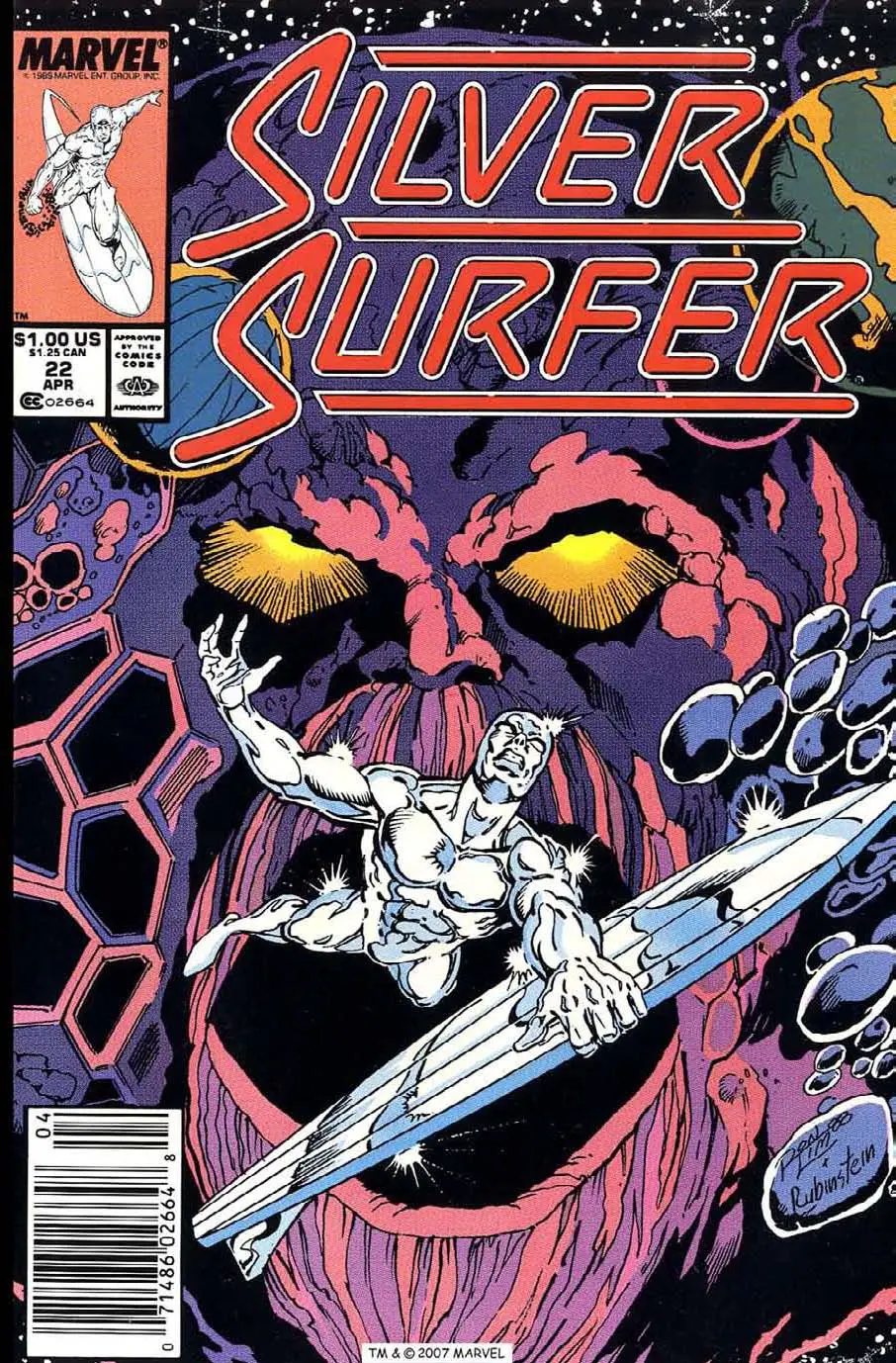
Issues #25–31: Back from Black, the second Kree–Skrull war
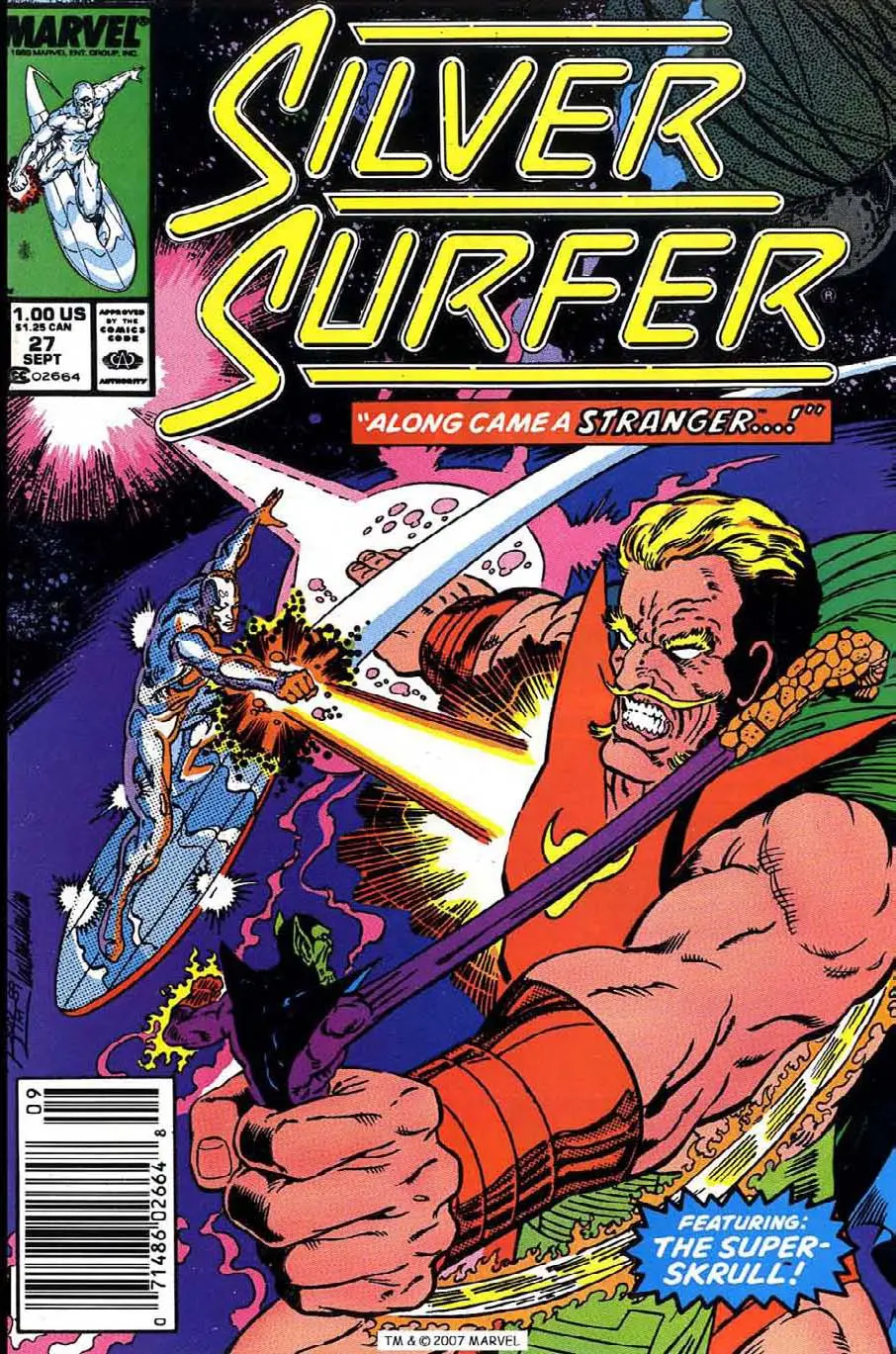
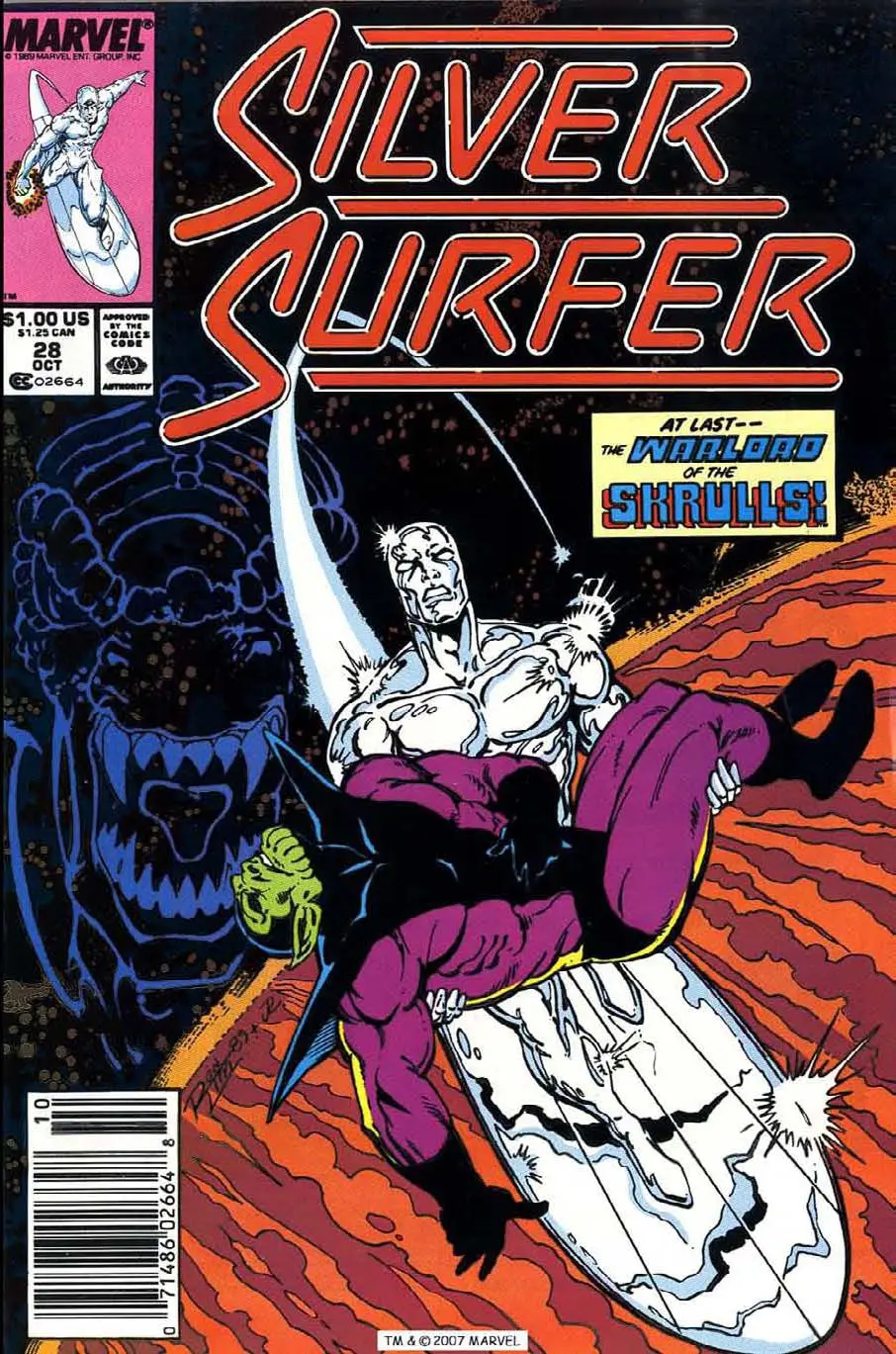
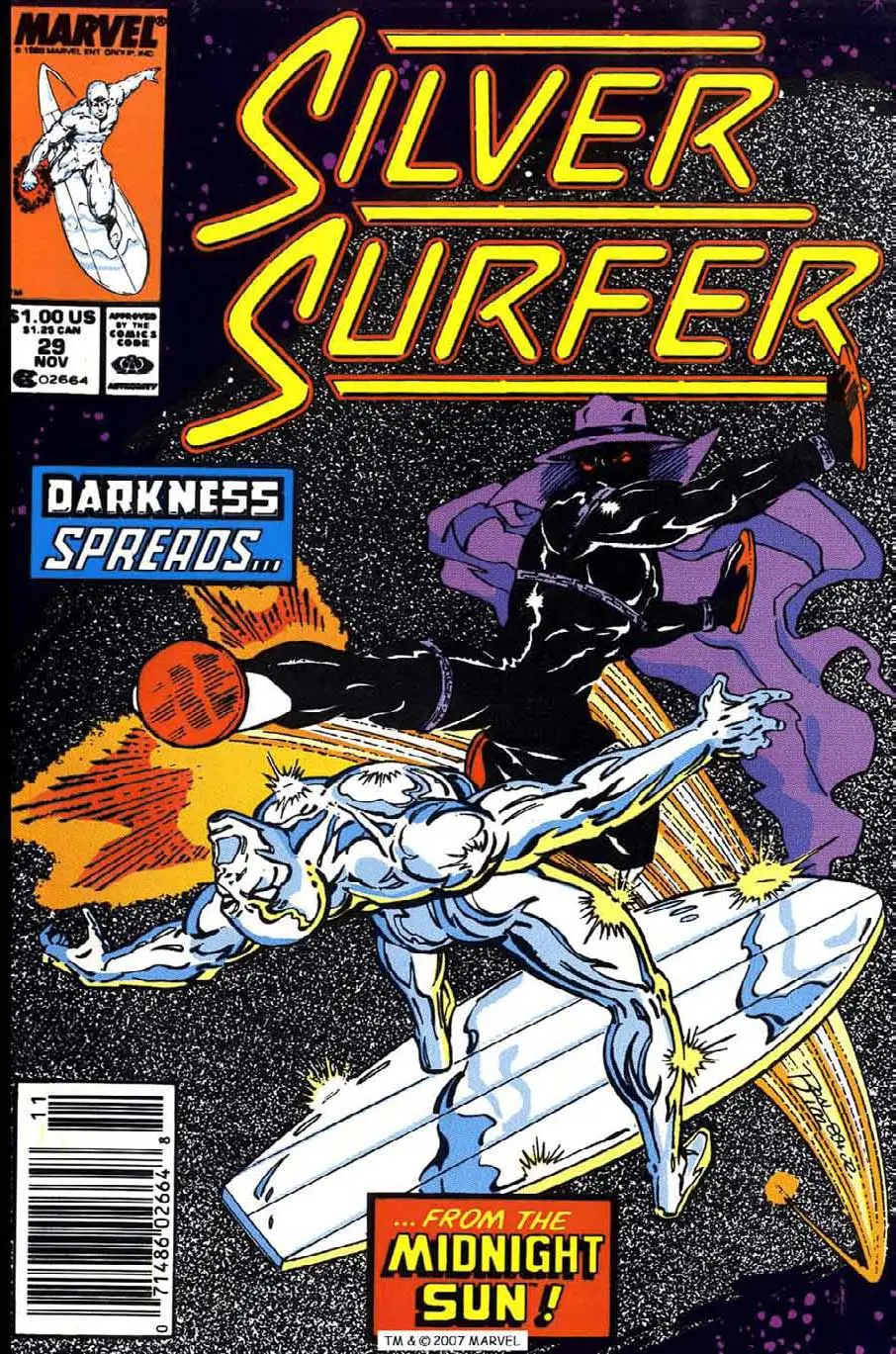
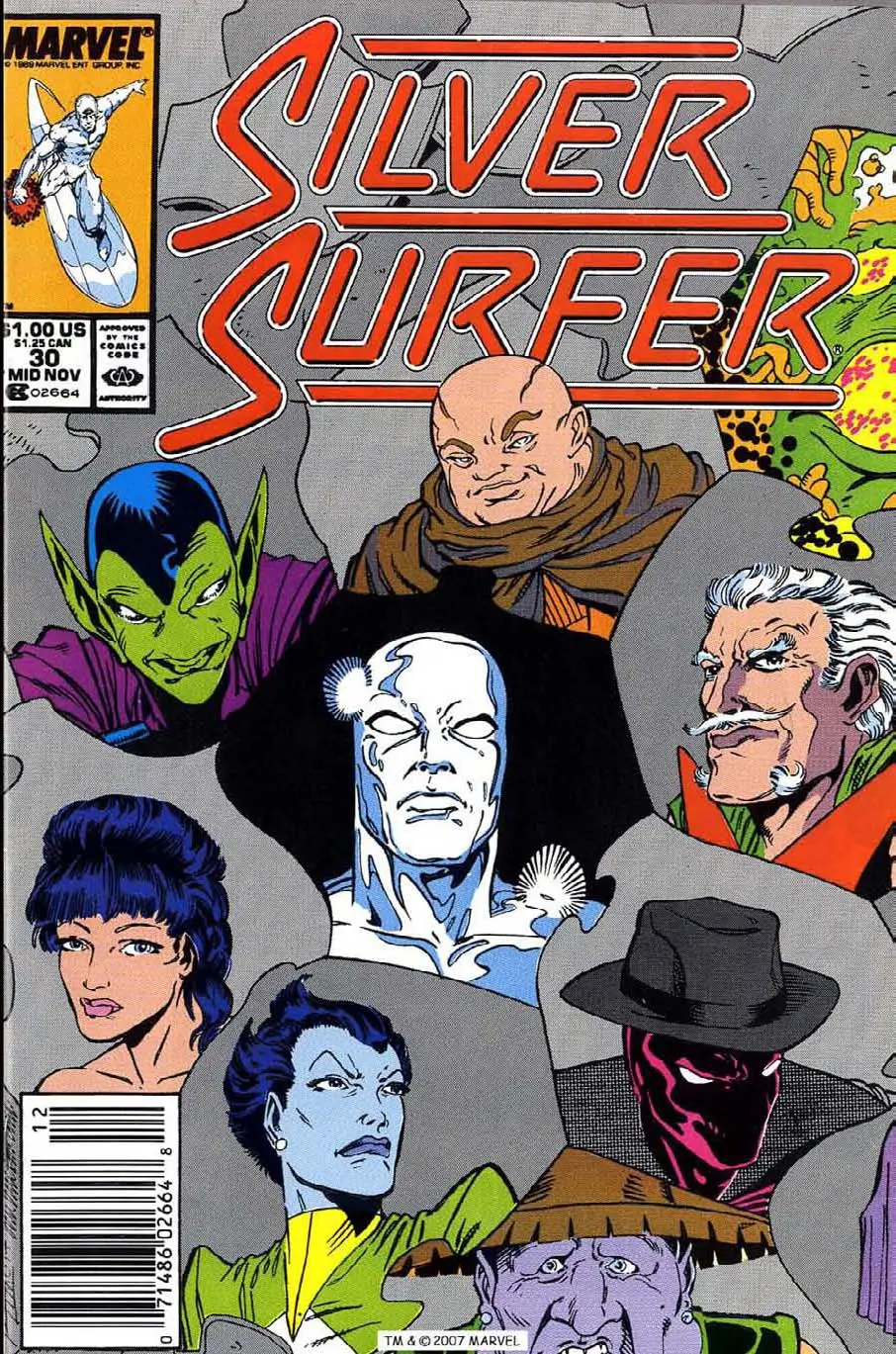

All covers © Marvel. Reproduced here at thumbnail size for reference and commentary, not included in the book.
Typesetting the Book and the Cover
I had actually designed a simple cover myself in Affinity, but at submission time it was stranded on a different machine and I had never synced it to GitHub, so I could not get to it. With KDP waiting on a cover, I asked Claude to help me come up with a new one, and it worked great. I wanted something that felt cosmic and quiet without using a single piece of Marvel artwork, for obvious legal reasons. The result is a dark navy field with a thin gold orbital ring and a vertical lens, suggesting the Surfer without ever drawing him. Because the final cover was AI-generated, I disclosed it as such when Amazon asked, which is something they now require (more on that below).
The bigger surprise was the interior. My first print proof looked like a manuscript, not a book: a sans-serif face, no page numbers, colored headings, and stray horizontal lines where my source Markdown had section breaks. So I had Claude do the paperback typesetting properly: a classic serif face, justified text, real page numbers, running heads, a real table of contents with page numbers, and each chapter opening on a fresh right-hand page. The finished paperback came out to 123 pages.
Publishing the Kindle eBook
Everything happens at kdp.amazon.com, which is separate from the normal Amazon storefront. Before you can publish anything, you have to finish the account setup: the author and publisher details, your bank information for royalties, and the tax interview. For a European author, the tax interview is where you enter your tax ID to claim your country's treaty rate, so that Amazon does not withhold the default rate on US sales. Do this first; nothing publishes until it is green.
The Kindle edition itself was the straightforward one:
- Upload the EPUB (with the cover embedded) and a cover JPEG.
- Choose the 70% royalty option and set the price at $5.99.
- Enroll in KDP Select for the Kindle Unlimited reach.
- Add seven keywords and up to three categories, keeping them trademark-free (more on that below).
- Answer the AI-content question honestly. KDP draws a distinction between AI-generated content (created by AI) and AI-assisted content (your own work that AI helped you edit or refine), and it lets you disclose each separately. I flagged the cover as AI-generated imagery, and, because I used Claude for the spelling, grammar, and phrasing corrections, I marked the text as AI-assisted rather than claiming it was untouched.
The finished paperback, fresh from the printer.
Publishing the Paperback
The paperback taught me the most, mostly through one stubborn mistake. My settings were 5 × 8 trim, cream paper, matte finish, no bleed. But the summary kept insisting the trim was 6 × 9, and no amount of re-selecting fixed it. The lesson: KDP locks the trim size the moment a manuscript is uploaded.
The first thing I tried was a Word document that Claude generated for me, but KDP kept reflowing it and the trim would not hold. The clean fix was to stop uploading a word-processor document altogether: I had Claude generate a print-ready PDF instead. Because a PDF's page size is fixed, KDP cannot reflow it, and the 5 × 8 trim simply stays put. That is also what let Claude control the typesetting so precisely.
The paperback cover is a single wraparound (back cover, spine, and front, all in one PDF). The spine width depends on the final page count, because more pages means a thicker book. So the cover is genuinely the last thing you finish: once KDP confirmed 123 pages, the spine was sized to match. I priced the paperback at $10.99 and turned on expanded distribution.
Both editions then went into review, which Amazon says can take up to 72 hours, and both were accepted.
What I Would Tell Anyone Doing This
A handful of things I wish I had known on day one:
- Finish tax and banking first. It is the one hard gateway you have to pass before you can publish anything. I think it needs to be done once per account, not per book, but I am not sure because I only have one book so far.
- Keep trademarks out of the policed fields. The title, subtitle, and keyword slots are screened for brand names you do not own, so “Silver Surfer” and “Marvel” stay out of them. From what I can tell, they are perfectly fine in the book description, as ordinary commentary, with a short disclaimer.
- Upload a print-ready PDF for the paperback, not a Word document. It locks the trim and gives you real control over the typography.
- Build the cover last. The spine width is a function of the final page count, so wait until KDP reports it.
- Answer the AI-content question honestly. It is for Amazon's records, it is not shown to readers, and it does not block publication.
- Order a proof copy. Holding the book in your hands catches things no screen preview will.
My proof copies arrived a little while after publishing, and I was so happy with how they turned out. The paperbacks feel professional, on par with what you'd get from a large publisher: a crisp matte cover, clean interior printing, and a sturdy trim that holds up well in the hand.
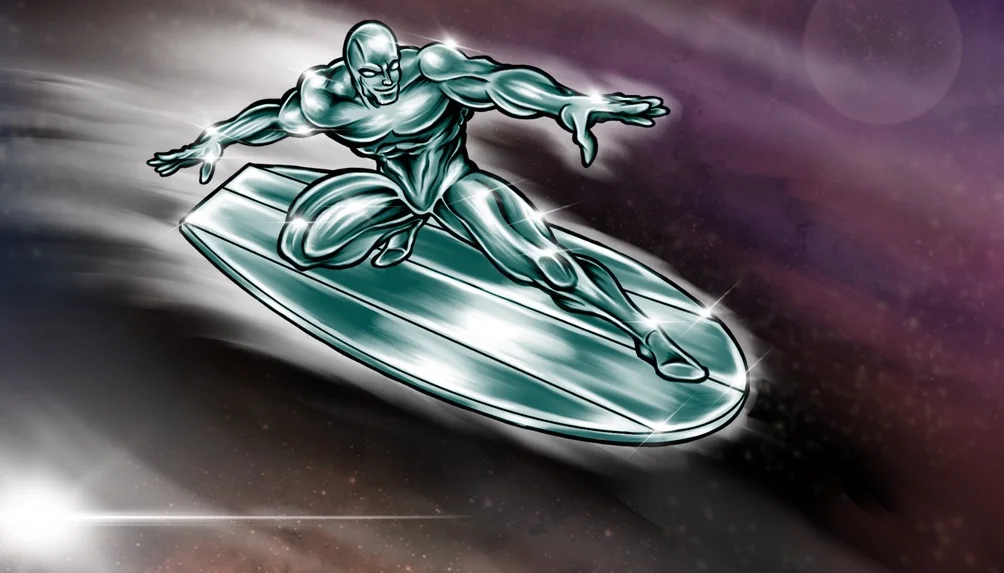
At last, the Silver Surfer becomes the freest being in the universe.
Where to Find It
The Freest Being in the Universe is available now on Amazon as a Kindle eBook and as a 5 × 8 paperback (both editions live on the same product page). If you have any affection for cosmic Marvel, or you have ever felt like the alien in the room, I hope you will give it a look. If it sends you back to Englehart, Rogers, Staton, and Lim's original comics, it will have done the best thing it possibly could.
Amazon.com → Amazon.de → Amazon.co.uk →
One source deserves a special mention: Steve Englehart's own website, where he writes at length about the run and the stories behind it. It was indispensable in getting the history right.
Related on This Site
Prefer to read the book itself? The whole thing is free to read online here, richly illustrated: The Freest Being in the Universe, now complete in all six parts — the Silver Surfer's story from his 1966 debut in Fantastic Four, through the whole of Steve Englehart's cosmic run on the 1987 series (Silver Surfer vol. 3, #1–31), to its finale.